ORGANIZED BY DIGIT
The conference took place on 24-25 August 2026
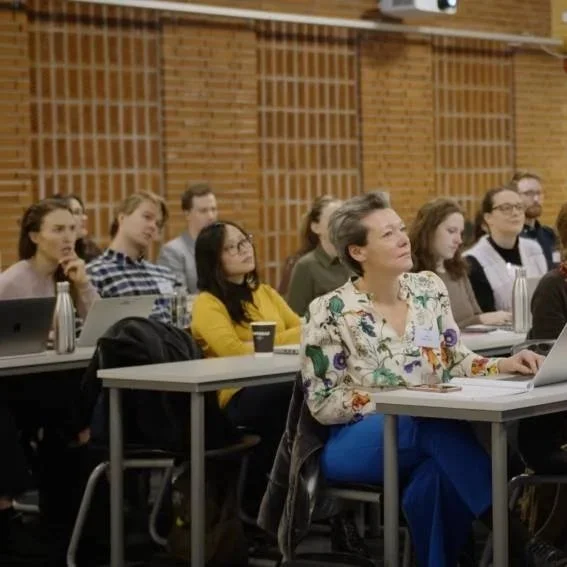
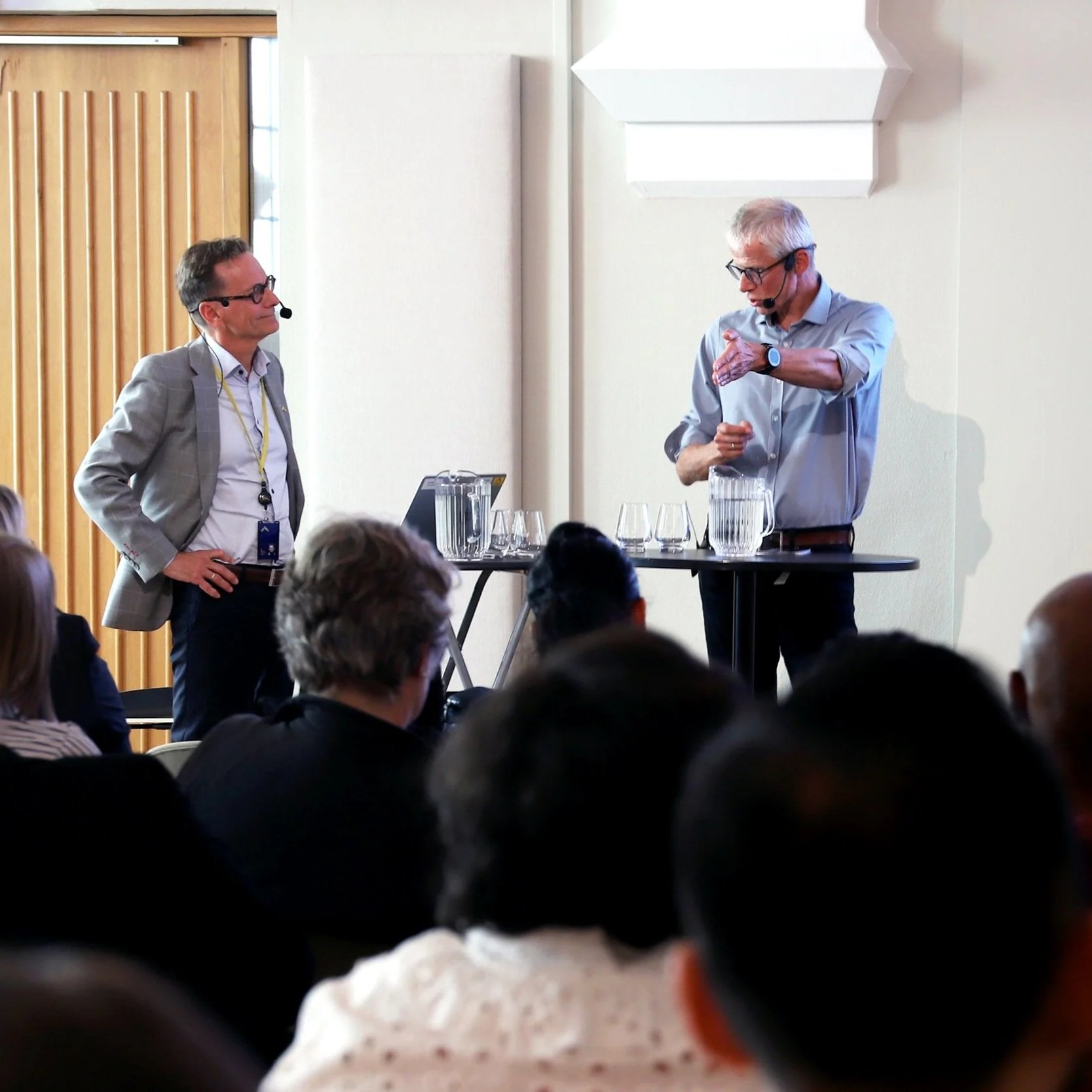
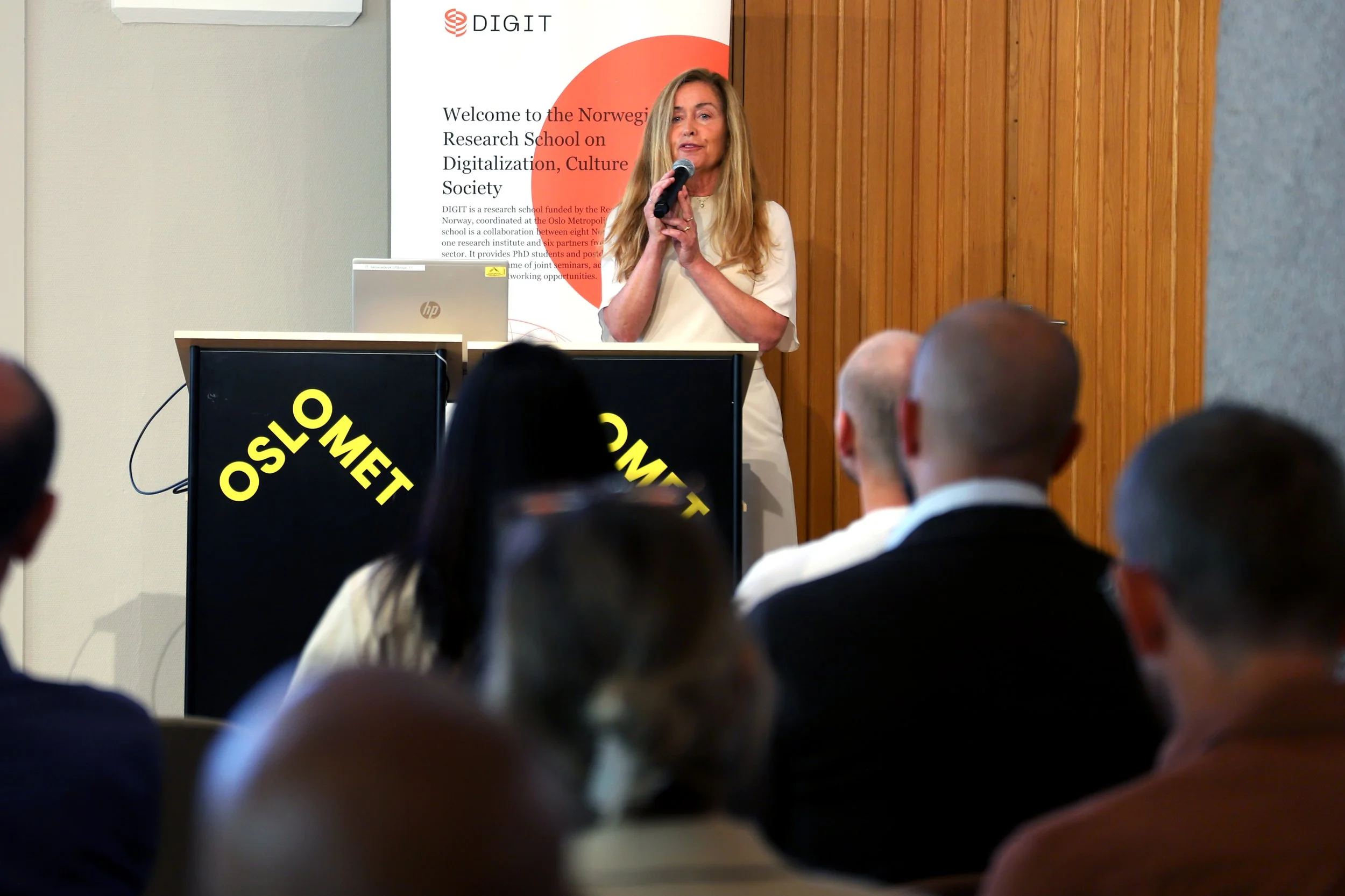
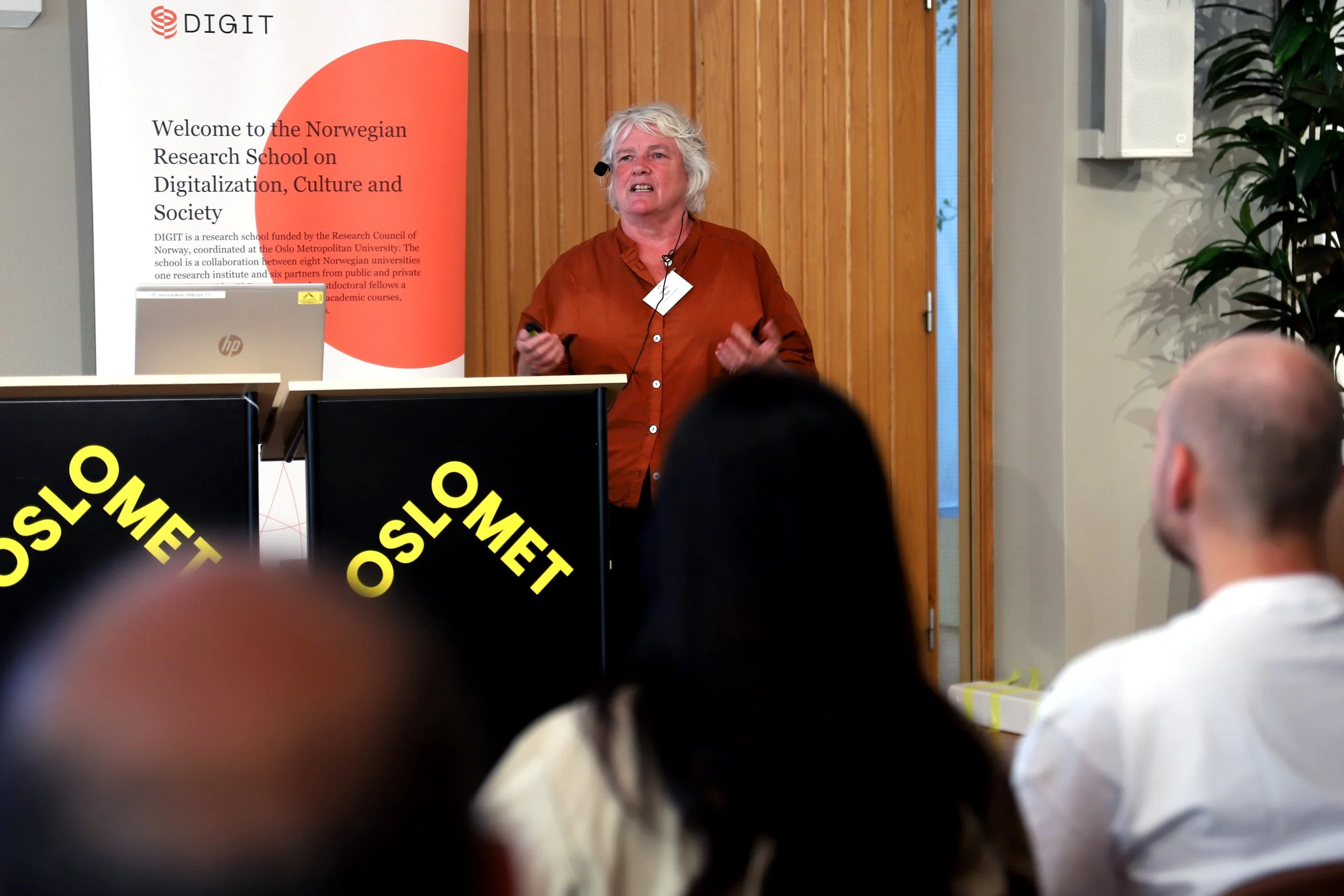
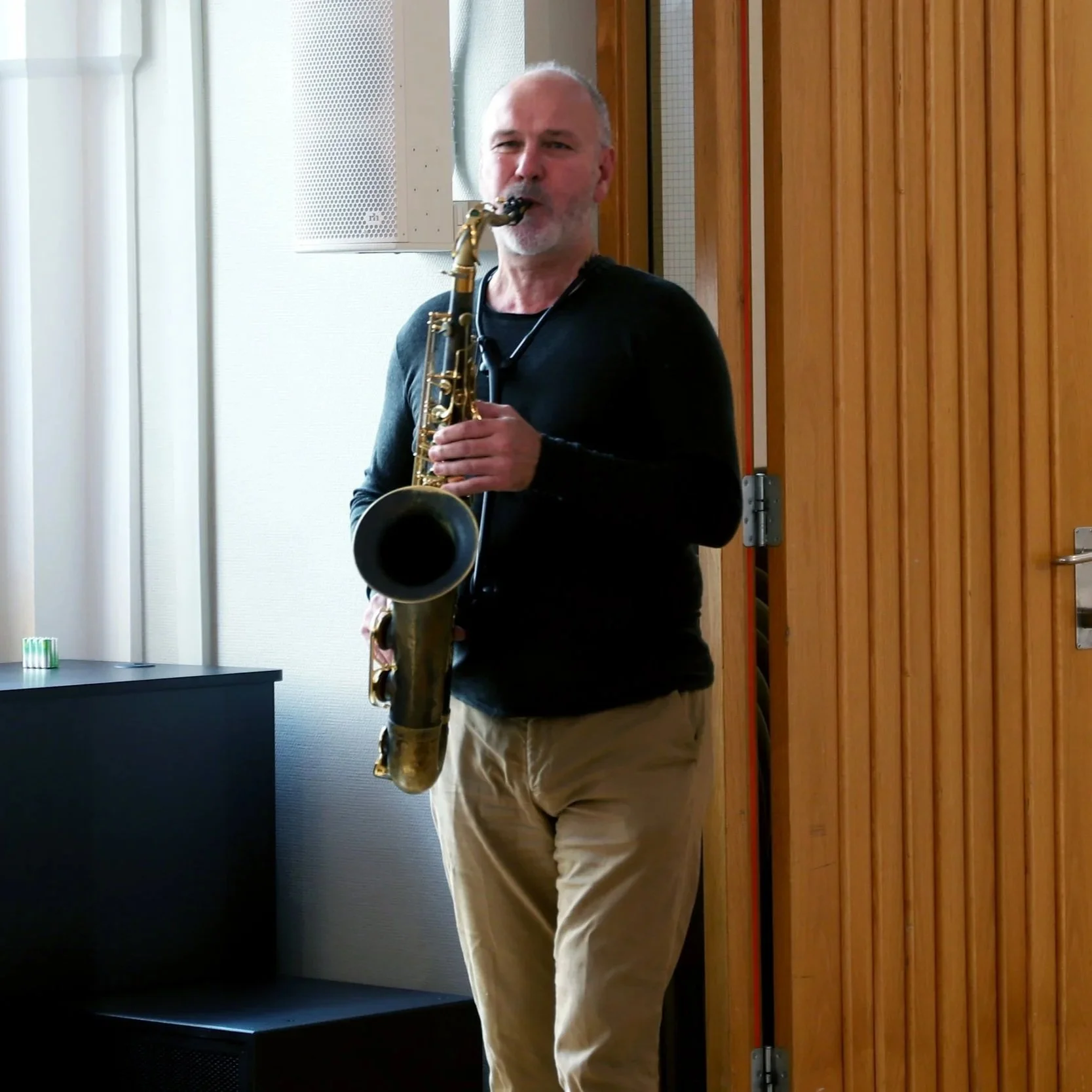
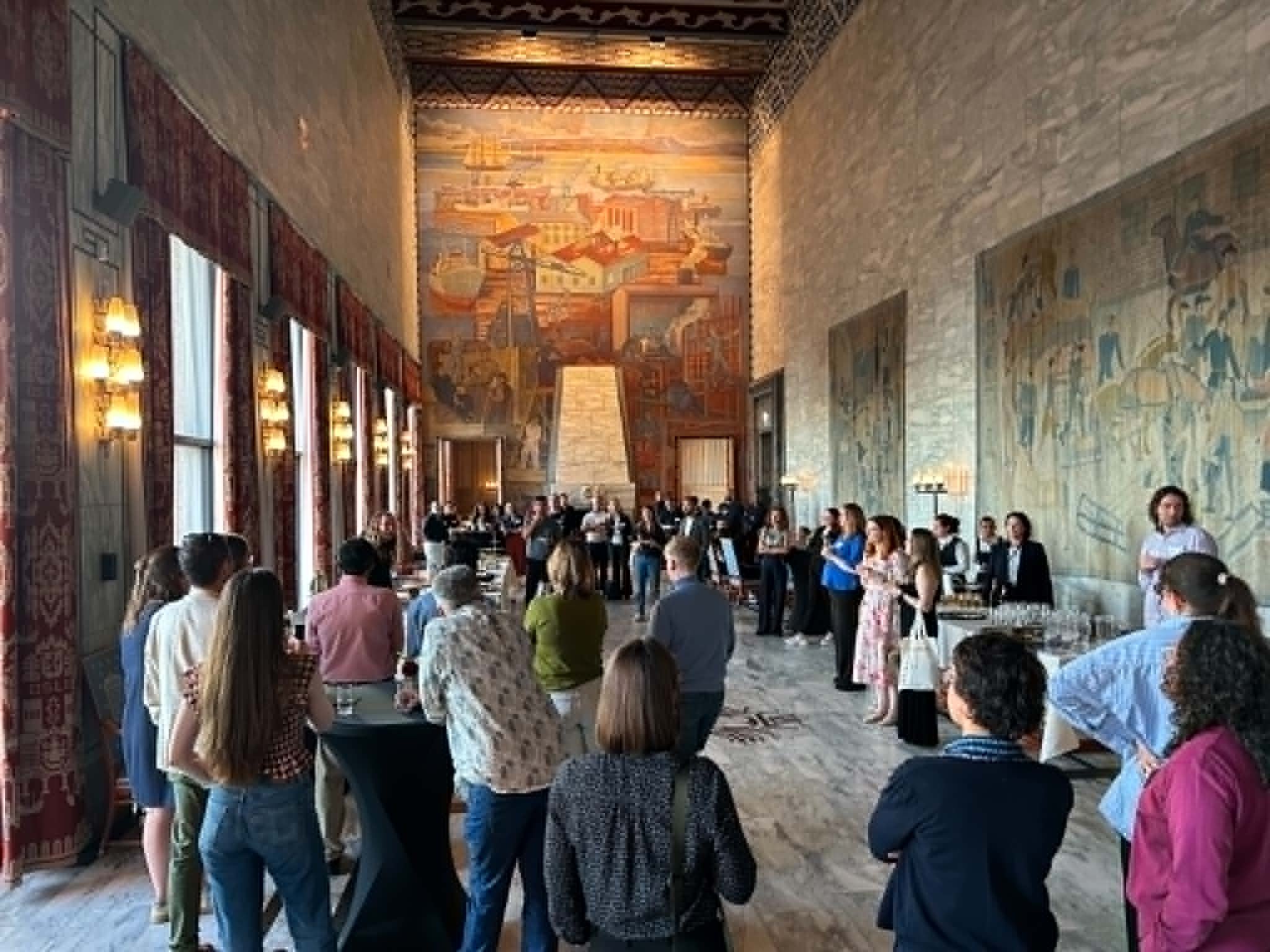
Thank you to everyone who attended. We were delighted to welcome DIGIT members, partners, and colleagues from across Norway and around the world, from Hong Kong to Poland.
Programme
→ See programme page
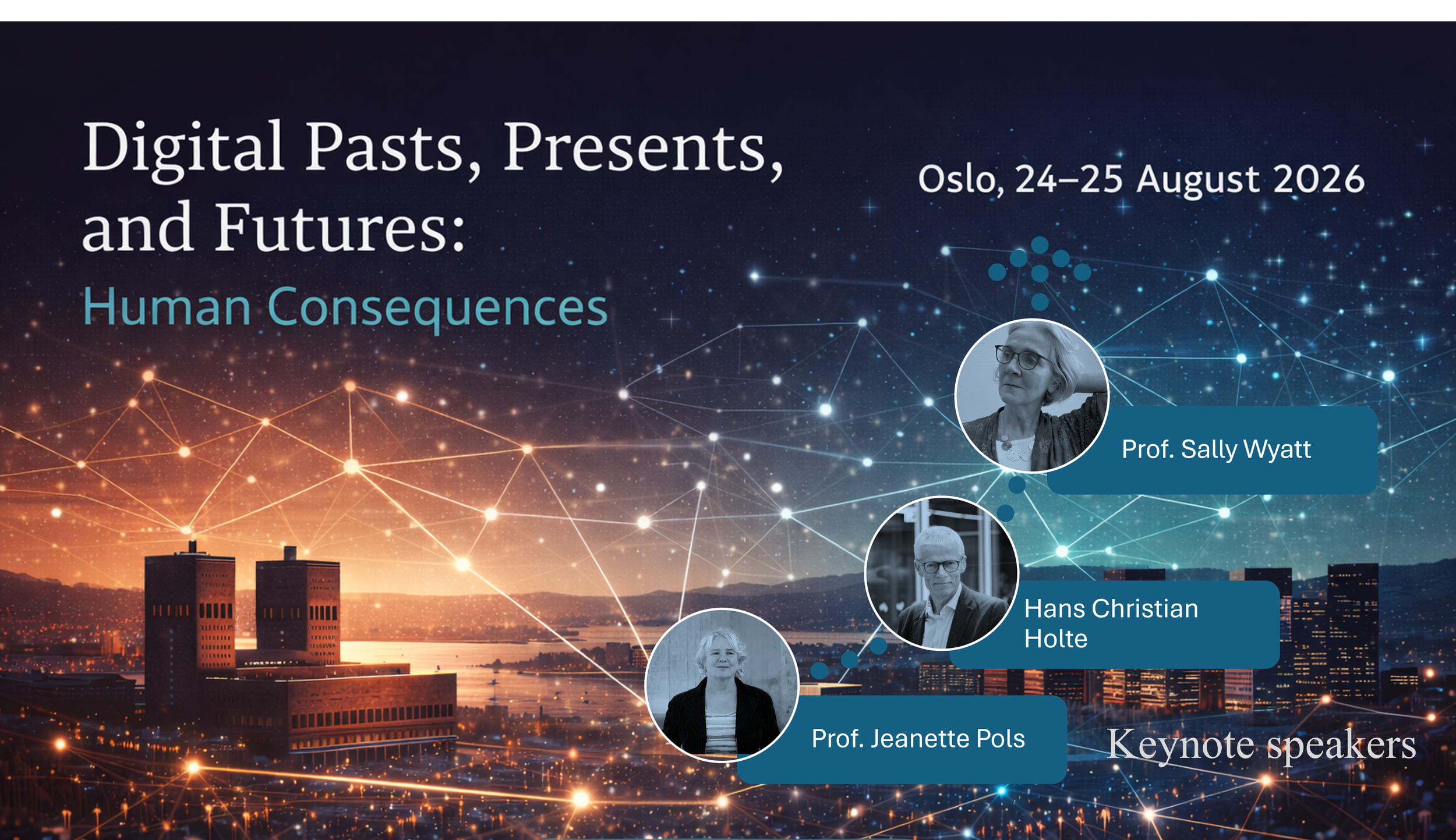
Keynote Speakers
Prof. Sally Wyatt, Maastricht University, is a leading scholar in science and technology studies, with a long career exploring how digital technologies shape society. She is widely known for her influential work on the concept of “non-use” of technology, and on the persistence of technological determinism.
Hans Christian Holte is the first Director of the newly established AI Norway, the Norwegian government’s initiative for the responsible and innovative development and use of artificial intelligence in the public and private sectors. He will take up the position in August 2026. Holte has held several senior leadership roles in Norwegian public administration, including Director General at the Ministry of Education and Research, Director of NAV, the Norwegian Tax Administration, and the Agency for Public Management and eGovernment (Difi).
Prof. Jeanette Pols, University of Amsterdam, is a medical anthropologist known for her influential work on care, technology, and everyday practices in healthcare. Her research explores how technologies such as telecare and digital health tools reshape relationships between patients, professionals, and institutions.
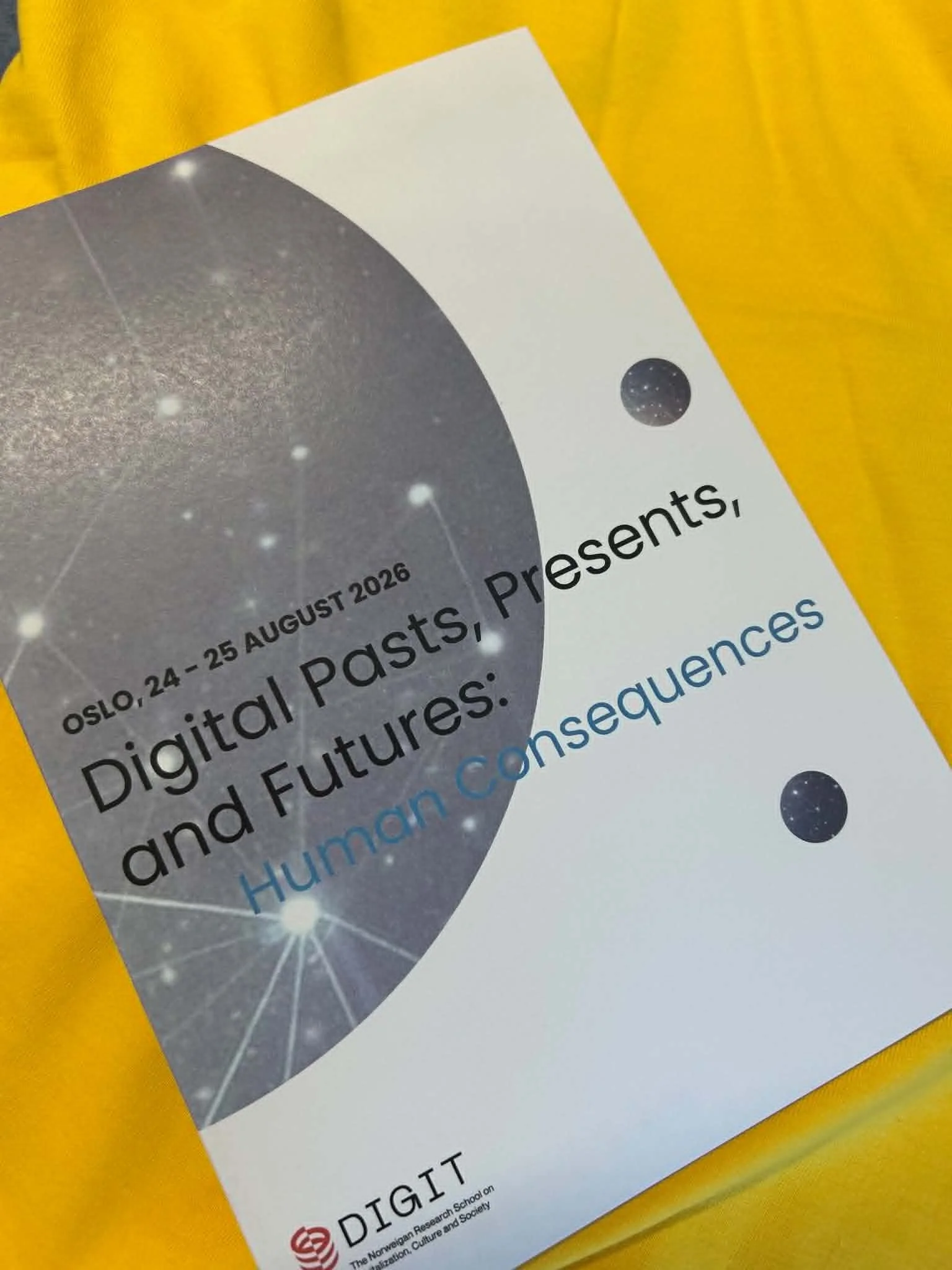
Digital Pasts, Presents, and Futures: Human Consequences.
This conference brings together scholars from Science and Technology Studies (STS), digital humanities, social sciences, and allied fields to critically examine how digital technologies shape—and are shaped by—historical trajectories, present-day practices, and imagined futures. We are particularly interested in the human consequences of digitalization: how technologies reconfigure work, care, governance, democracy, knowledge, inequality, embodiment, memory, and social relations across time.
The conference is motivated by a shared concern that digital technologies are too often framed as novel, disruptive, or inevitable, obscuring their historical roots, uneven impacts, and alternative futures. Rather than focusing only on what is “new,” we invite contributors to situate digital technologies within longer temporal arcs, relational contexts, and lived experiences.
Paper sessions
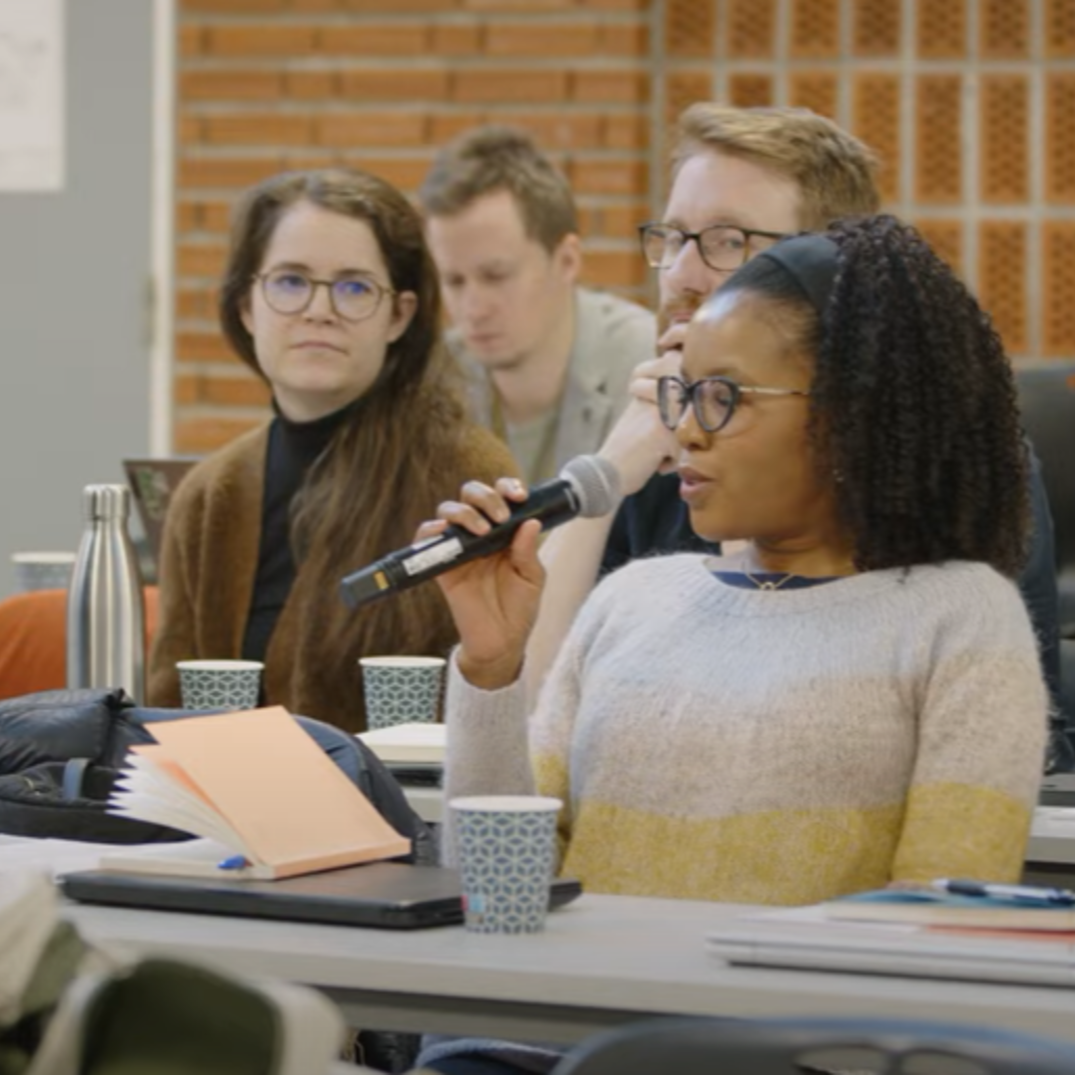
Digital Pasts, Presents, and Futures: Identities, Care, Governance, and Everyday Life in Technosocial Transitions
Digitalization has become a defining condition of contemporary social life, reshaping how identities are formed, how families and institutions operate, how decisions are made, and how care, learning, and governance are organized. These transformations are not merely technical; they are deeply historical, cultural, and political. Digital technologies carry imaginaries of pasts and futures that shape present practices, redistribute responsibility, and reconfigure relations between individuals, institutions, and societies.
In the conference, we will have contributions that critically examine digitalization as a technosocial process, attending to how digital infrastructures, data practices, platforms, and artificial intelligence interact with cultural identities, family life, education, governance, care, and everyday interaction. Across the sessions, we are particularly interested in how digital transformations are embedded in historical trajectories, how they reorganize social relations in the present, and how imagined digital futures guide policy, design, and lived experience.
The deadline for abstract submissions has passed and the submitted abstracts have been reviewed. The detailed programme with titles and timeslots for the paper sessions will be announced in due course.
We have eight tracks in the Digital Pasts, Presents and Futures conference, featuring theoretical, empirical, and methodological contributions that engage with the interconnected themes outlined below.
1. Digitalization and Cultural Identities: A Technosocial Perspective
This session examines how digitalization reshapes cultural identities understood as historically grounded and narratively constituted. We invite contributions exploring the interplay between digital technologies, technosocial imaginaries, and collective identities, with attention to minority identities, historical narratives, and transitions from analog to digital societies. The session foregrounds how imagined digital futures transform historical consciousness, identification, and self-identification across social and cultural contexts.
2. The Present and Future of Digital Families
Digital media are central to contemporary family life, reshaping care, relationships, learning, and connection. This session explores present and near-future dynamics of “digital families” amid platformisation. We invite contributions on diverse family forms, intergenerational practices, and those positioned outside dominant digital family norms. Papers may address current configurations and/or future imaginaries of digital family life using qualitative, quantitative, or mixed methods.
3. Decision-Making, Surveillance, and Counter-Practices in a Data-Saturated World
This panel examines how data-driven systems organize decision-making, surveillance, and governance across domains such as welfare, healthcare, education, and policing. We invite empirical and methodological contributions on datafied practices and counter-practices, including data activism, legal mobilization, and practices of care and repair. Particular attention is given to human and ecological consequences, and to connections between present struggles and longer histories of classification and control.
4. Studying Human–AI Conversations as Interaction: Methodological and Epistemological Challenges
As conversational AI becomes embedded in everyday life, research rarely treats human–AI exchanges as interaction. This session asks how such conversations can be studied turn by turn. Drawing on interaction analysis, ethnography, and STS, we explore agency, accountability, alignment, and resistance in human–AI interaction. We welcome contributions addressing methodological challenges and analytical strategies for studying interaction when one participant is computational.
5. Digital Transformations in Education – Cross-level Perspectives
This session examines how contemporary digital technologies, and particularly artificial intelligence, are reshaping education across contexts and levels. Adopting a cross-level perspective, it brings together work spanning policy, institutional governance, pedagogical practice, and student and teacher experience across institutions and programs. Contributions explore emerging forms of teaching, learning, assessing, and writing, while others also attend to how these transformations are situated within broader sociotechnical arrangements, bringing into view issues of power and ethics.
6. Imaginaries and Governance of Digital Transitions
This session explores digitalization as a set of imaginaries that frame desirable futures while silencing alternatives. We invite theoretical and empirical contributions examining how digital imaginaries shape governance across domains such as sustainability, education, healthcare, and labour markets. The focus is on how imagined digital futures enable, privilege, or constrain specific forms of governance and reproduce or challenge existing social and political cleavages.
7. Datafied Care and Ethical Futures
This session examines how datafied care reshapes relations of autonomy, vulnerability, and responsibility across care settings. We invite empirical and conceptual contributions on surveillance, digital intimacy, welfare platforms, and algorithmic repair. Key questions include whether data enhance autonomy or produce soft coercion, whose lives become visible or invisible through data, and how datafied care might be reimagined toward more just and human-centred futures.
8. Digital Transformations in Education – Digital Pedagogies
This curated paper session focuses on educational uses of digital technologies. It brings together papers that collectively shed light on how teachers across different disciplines and contexts employ digital technologies to achieve their educational goals. Drawing on the individual contributions, the session offers an overview of educational technology use and the contextual factors that shape it. This is accomplished by framing the papers through an ecological perspective, which is used to map individual, social, and technological aspects of teachers’ technology implementation, as well as the relationships between them.
Each presenter will have 15 minutes in total, including the paper presentation and 3–4 minutes for questions.
Edited volume
We are pleased to announce that an edited volume will be published based on conference.
The volume will bring together selected contributions from this international, interdisciplinary gathering. It will critically examine how digital technologies are embedded within and actively (re)shape social life—while also influencing imagined futures and shaping what is understood as possible, desirable, or inevitable.
Further details regarding the call for paper, including the submission deadline and publisher will be announced in due course.

Important Dates
Call for abstracts opens: February 6
Deadline for abstract submission: March 30
Conference registration opens: April 15
August 24 - 25: We meet in Oslo!
Conference Fee
Early bird (DIGIT partners): NOK 2,000
Early bird (others): NOK 3,500
The early bird price has been extended
DIGIT will cover the conference fee for active DIGIT members and alumni.
Practical Information
Conference Venue
Digital Pasts, Presents, and Futures: Human Consequences will be held at OsloMet, campus Pilestredet, central in Oslo, Norway.
Accomodation
There are numerous accommodation options available in Oslo, and we recommend that guests book their rooms as early as possible.
Below please find a small selection of possible accommodation options.
Economy Options: Haraldsheim and Cochs Pensjonat
Standard Options: Scandic Holbergand Thon Hotel Europa (both close to the venue)
Premium Options: Sommerro, and Continental
If you are a DIGIT member or alumni, contact the DIGIT coordinator for hotel arrangements.
Transport
The nearest airport to Oslo is Oslo Airport. For those arriving by air, the Flytogettrain service offers a convenient and efficient connection to the city centre, taking approximately 20 minutes to reach the Oslo Central Station.

Programme committee

Roger Søraa
Professor in Science and Technology Studies at the Norwegian University of Science and Technology

Alexander Ruser
Professor of sociology at the University of Agder

Marit Haldar
Professor of sociology at the Oslo Metropolitan Unviersity