
-
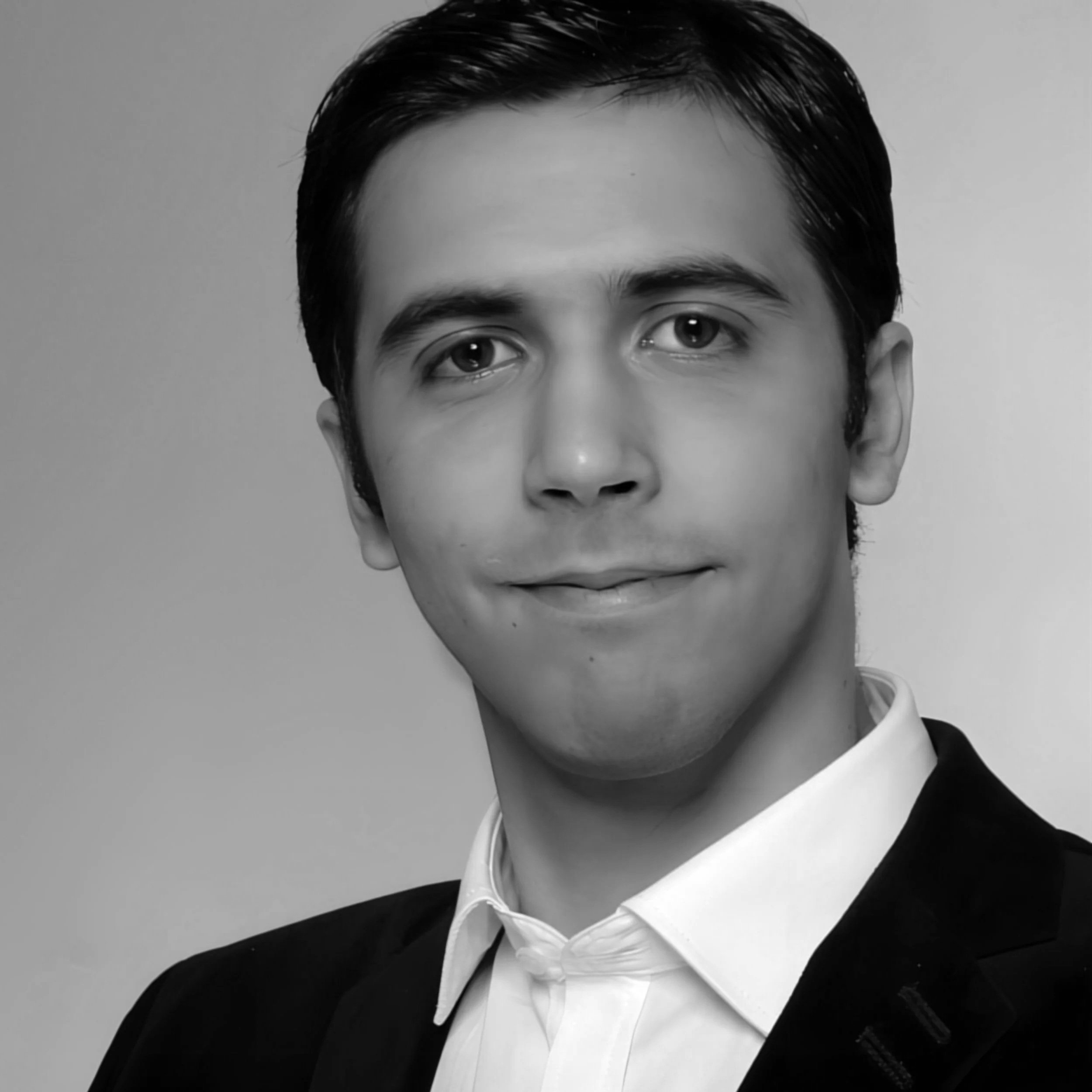
Ahmed Gamal
University of Agder
-

Aleksandar Davidov
Oslo Metropolitan University
-

Anders Korsgaard
The National and Kapodistrian University of Athens, Department of History and Philosophy of Science.
-
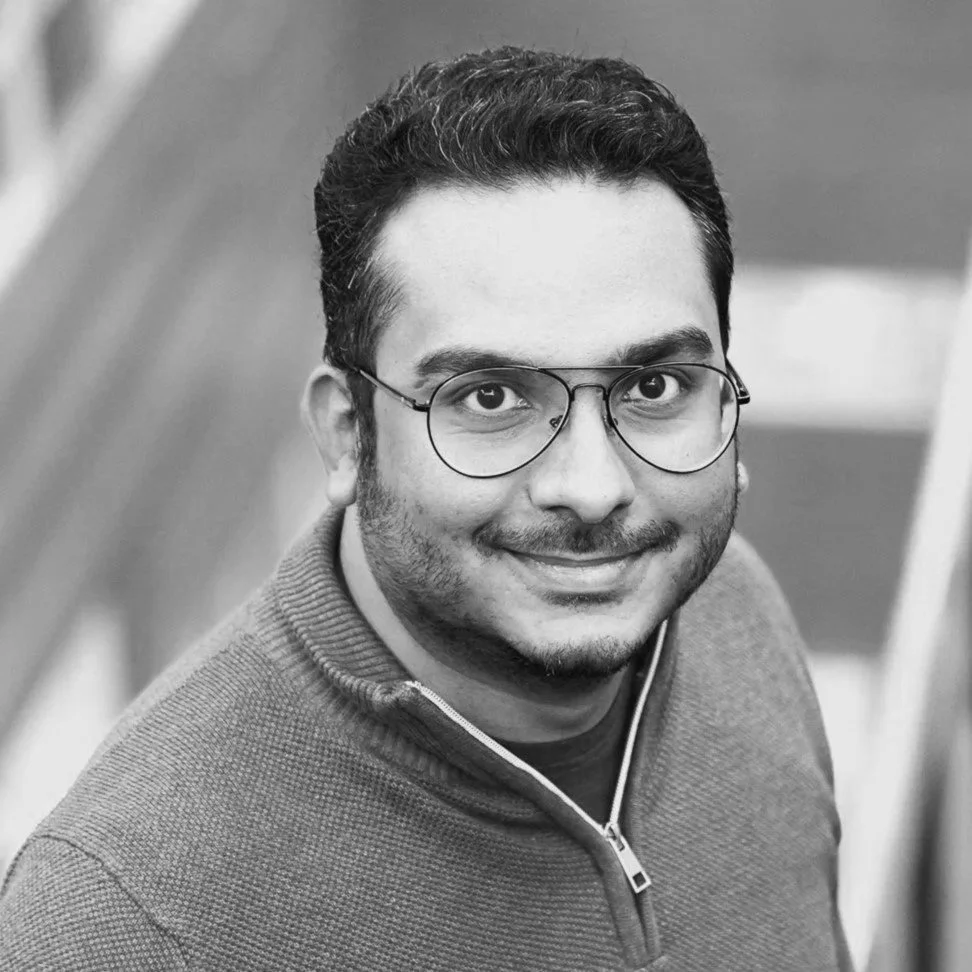
Bineeth Kuriakose
Oslo Metropolitan University
-

Dillon Ozuna
Nord University
-

Emma Wulff Ginnerup
Nord University
-

Eskil Gaasø Indrestrand
Norwegian University of Science and Technology
-
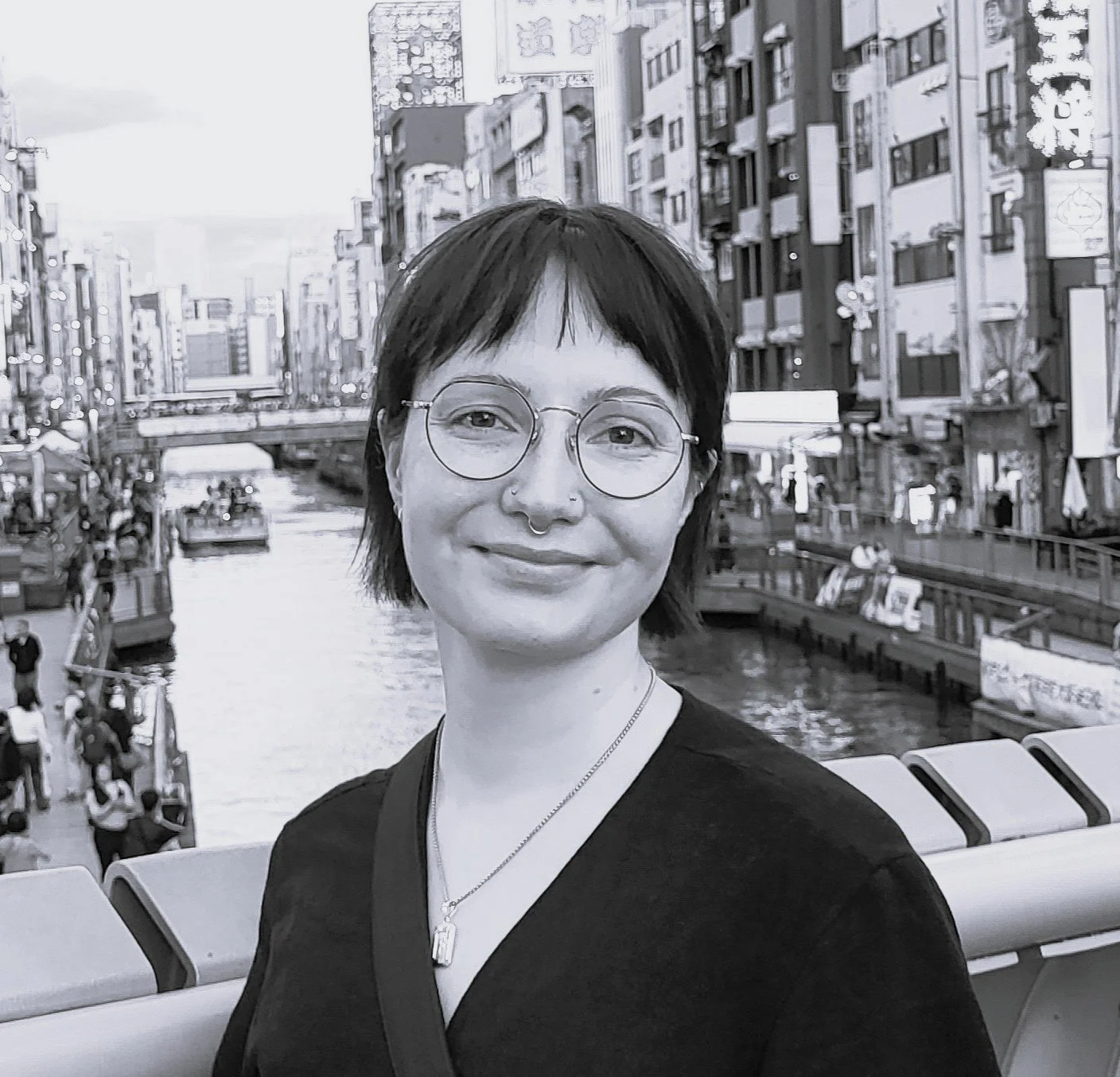
Frida Englund Sandvik
Norwegian University of Science and Technology, Faculty of Humanities, Department of Interdisciplinary Studies of Culture.
-
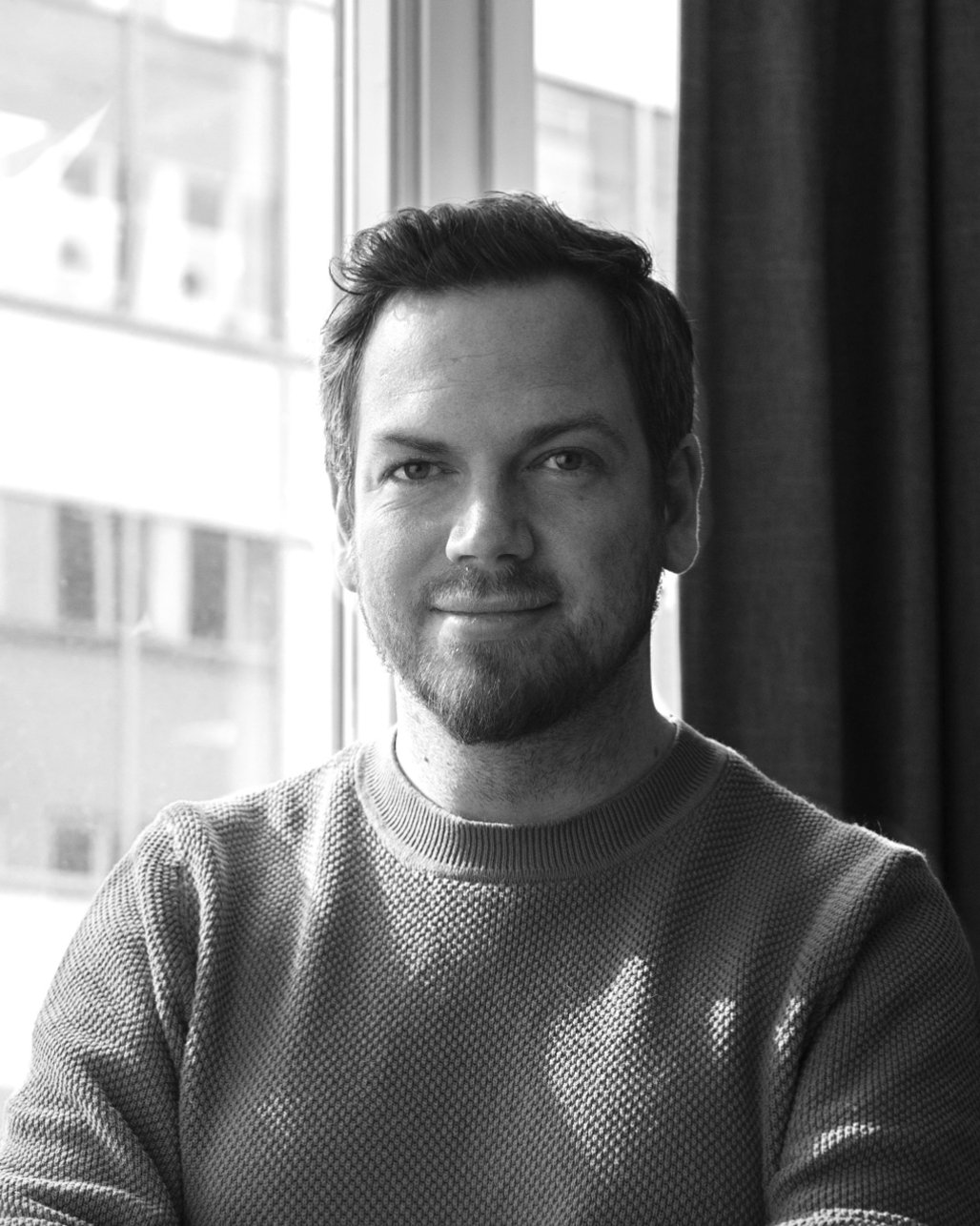
Jon Amund Søfferud
Oslo Metropolitan University - Manufacture Oslo
-

Julie Sikin Bhanji Jynge
University of Inland Norway
-

Linda Undrum
Oslo Metropolitan University
-
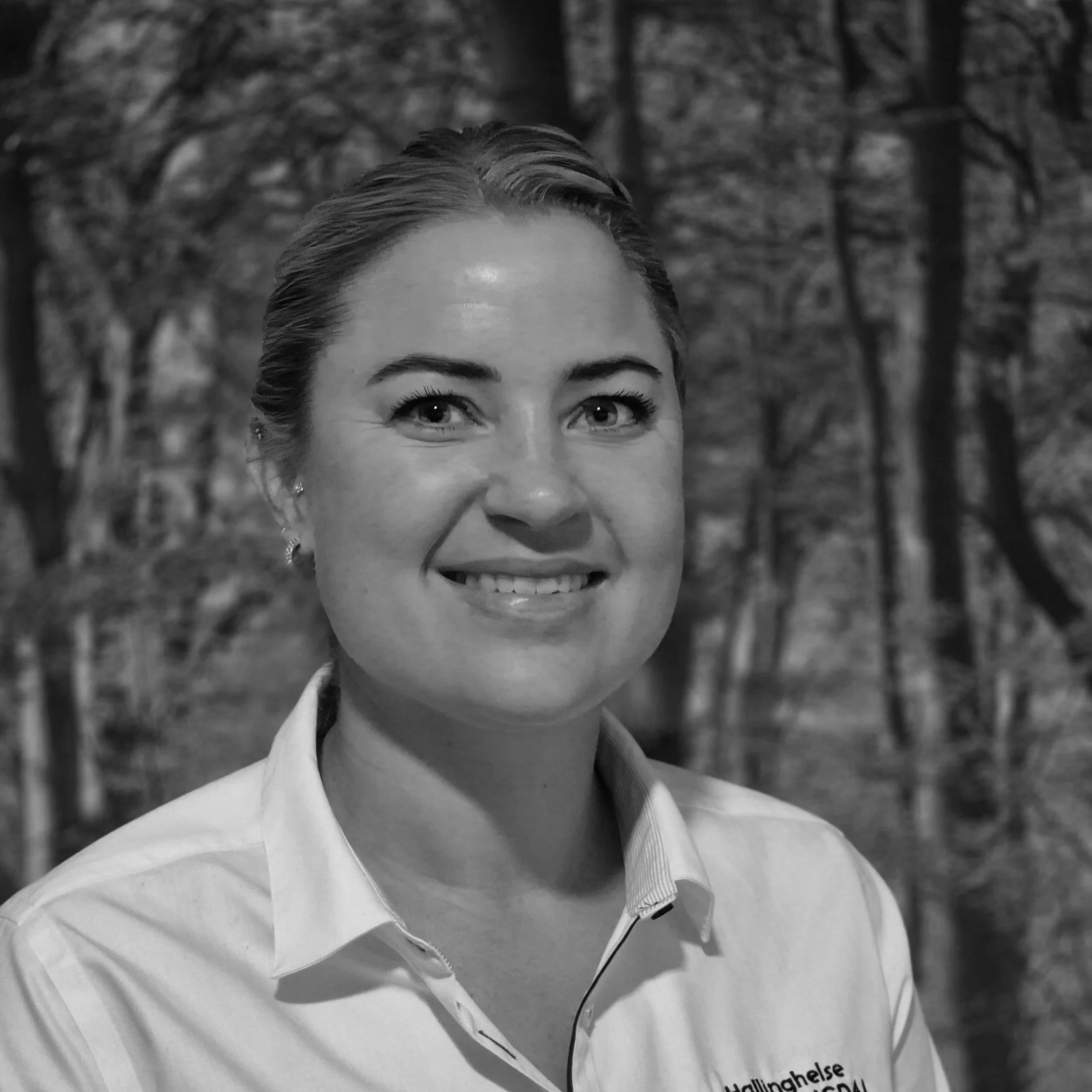
Linn Hege Olstad
University of South-Eastern Norway - Hallinghelse
-
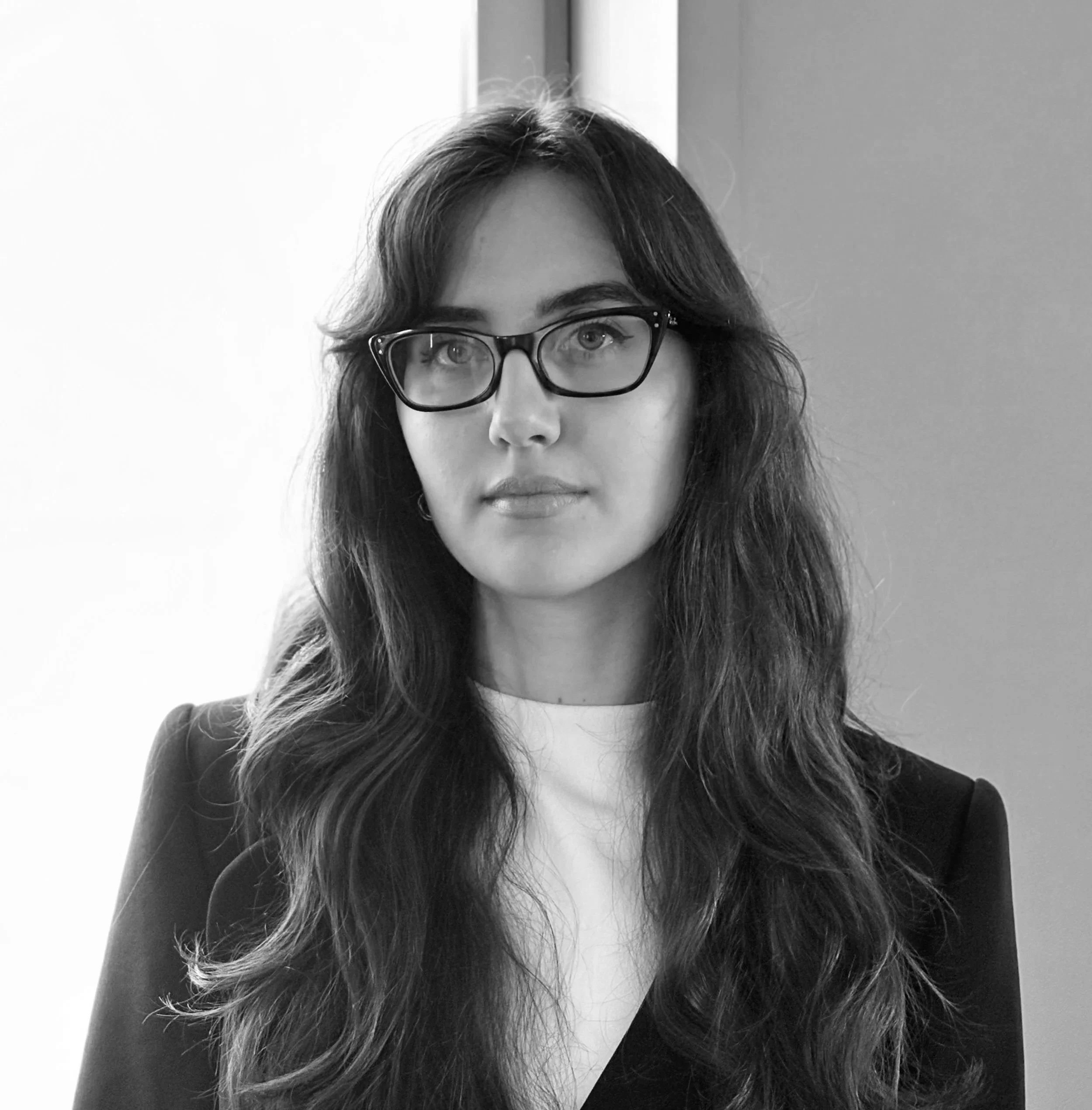
Lyuba Boncheva
BI Norwegian Business School
-
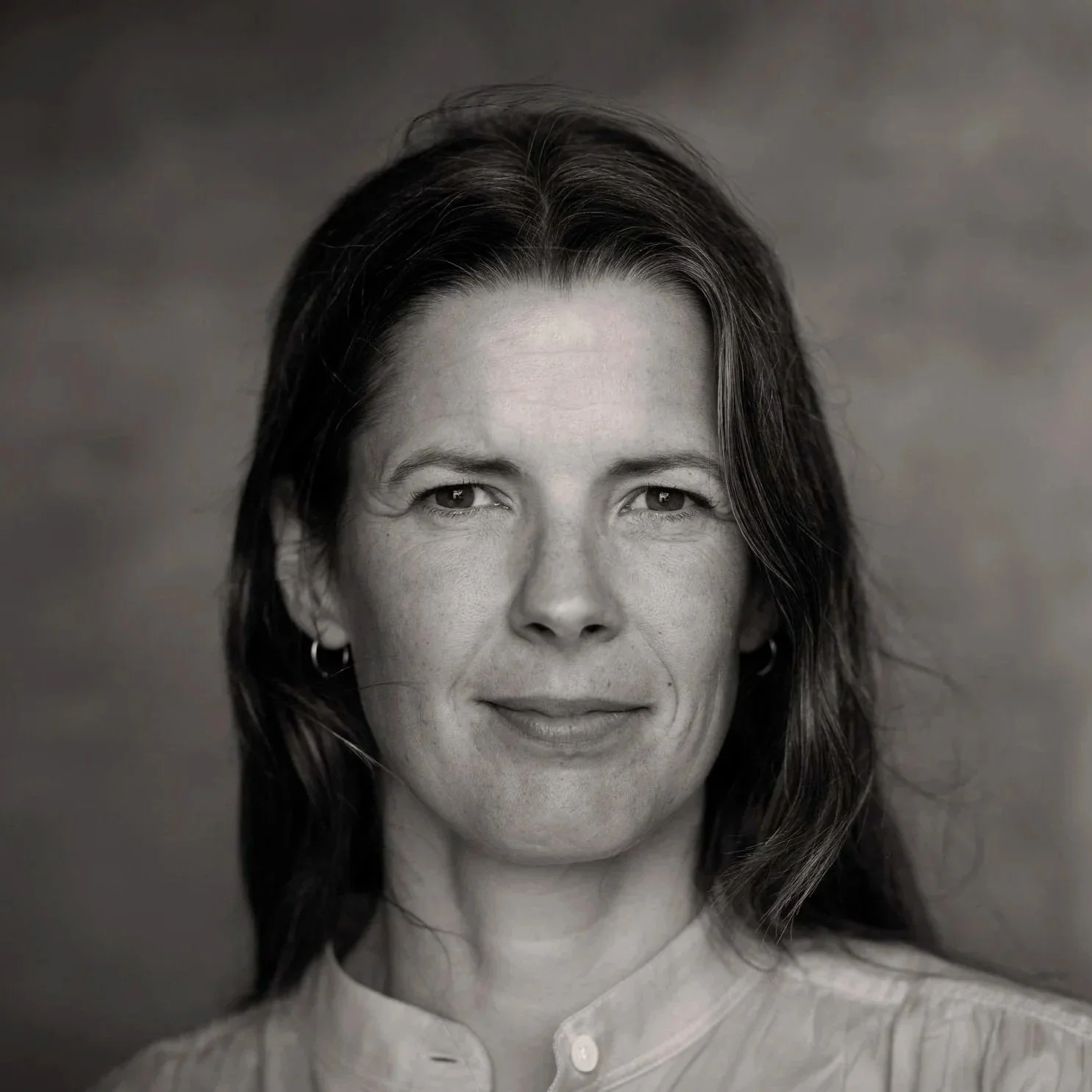
Mari Serine Kannelønning
University of Oslo
-
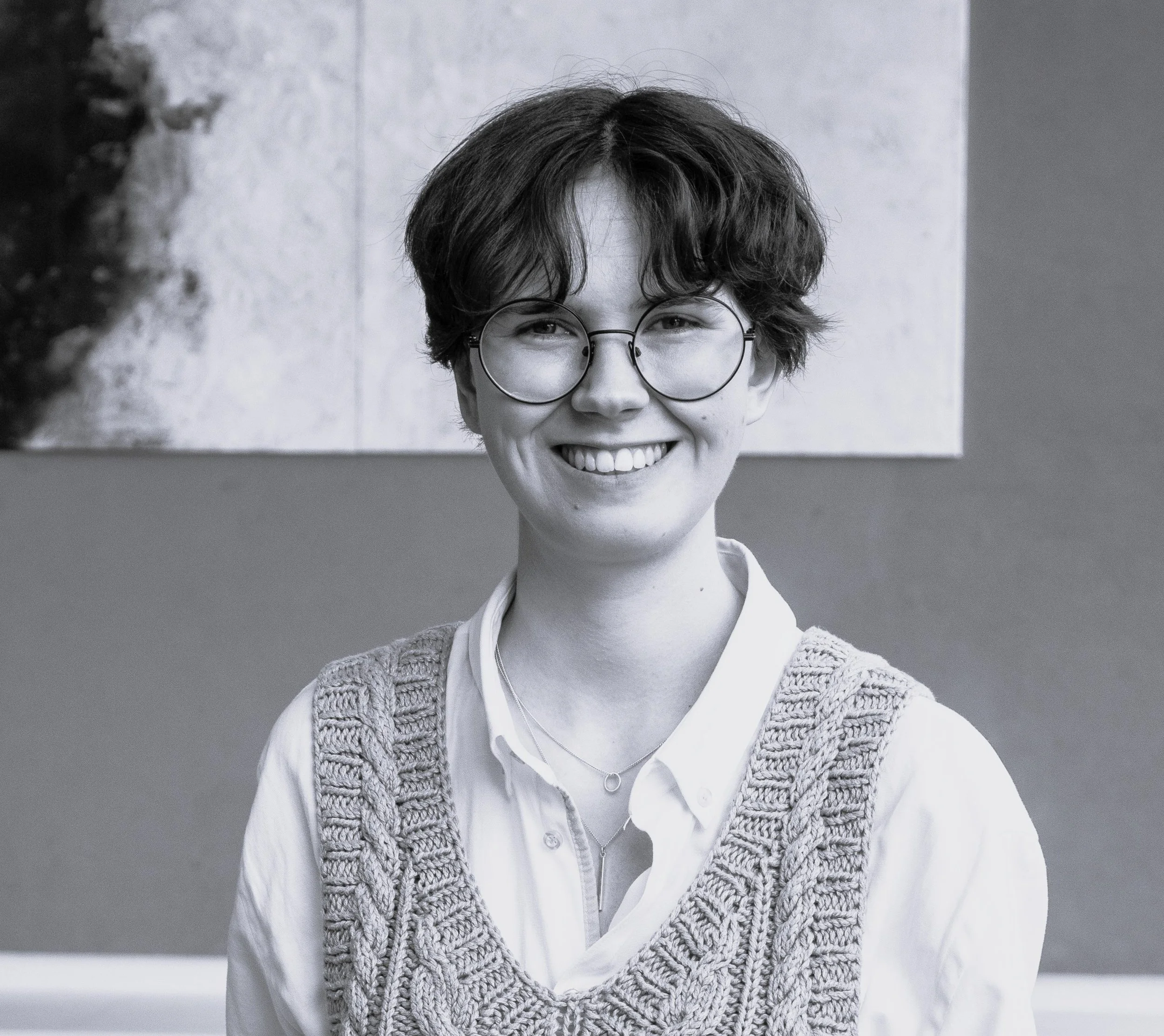
Martine Klock Fleten
Norges teknisk-naturvitenskapelige universitet, Fakultet for samfunns- og utdanningsvitenskap, Institutt for psykologi
-

Patrick Lester Kollman
Oslo Metropolitan University
-

Peter Johansen
Oslo Metropolitan University
-
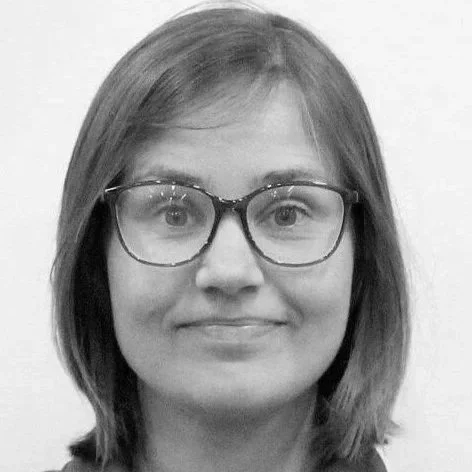
Ragna Hovig Ødegaardshaugen
Oslo Metropolitan University
-
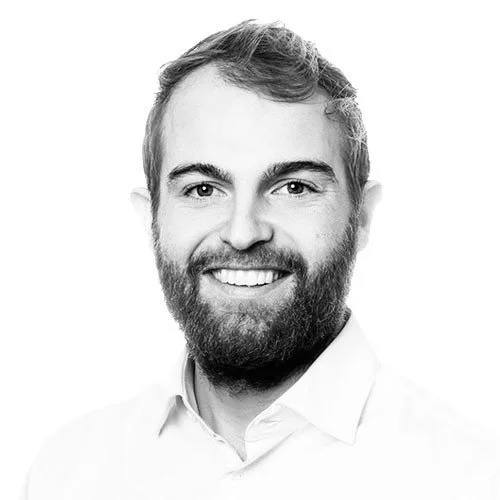
Robin Gulseth
University of Bergen
-
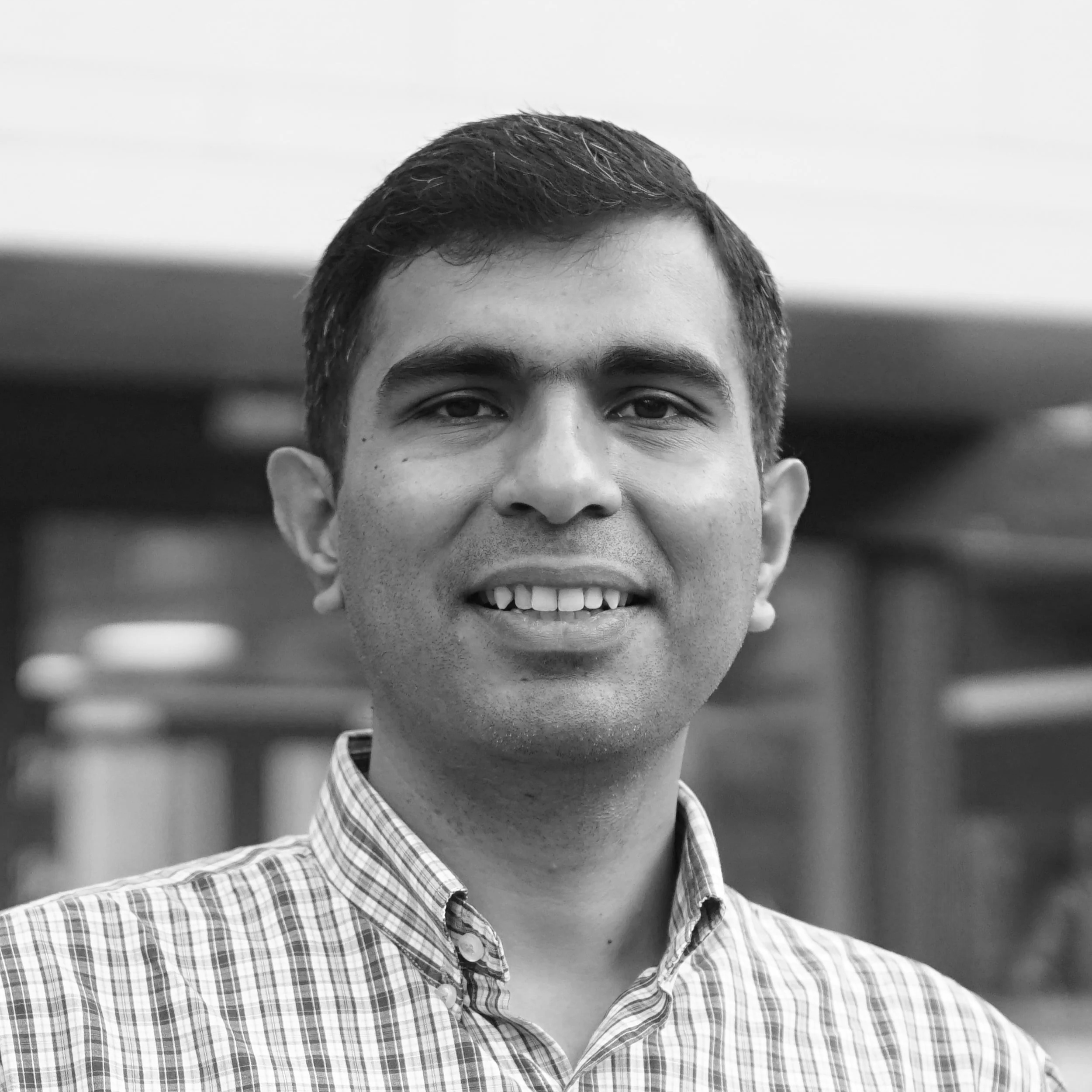
Shakil Salim Rajan
University of Bergen
-
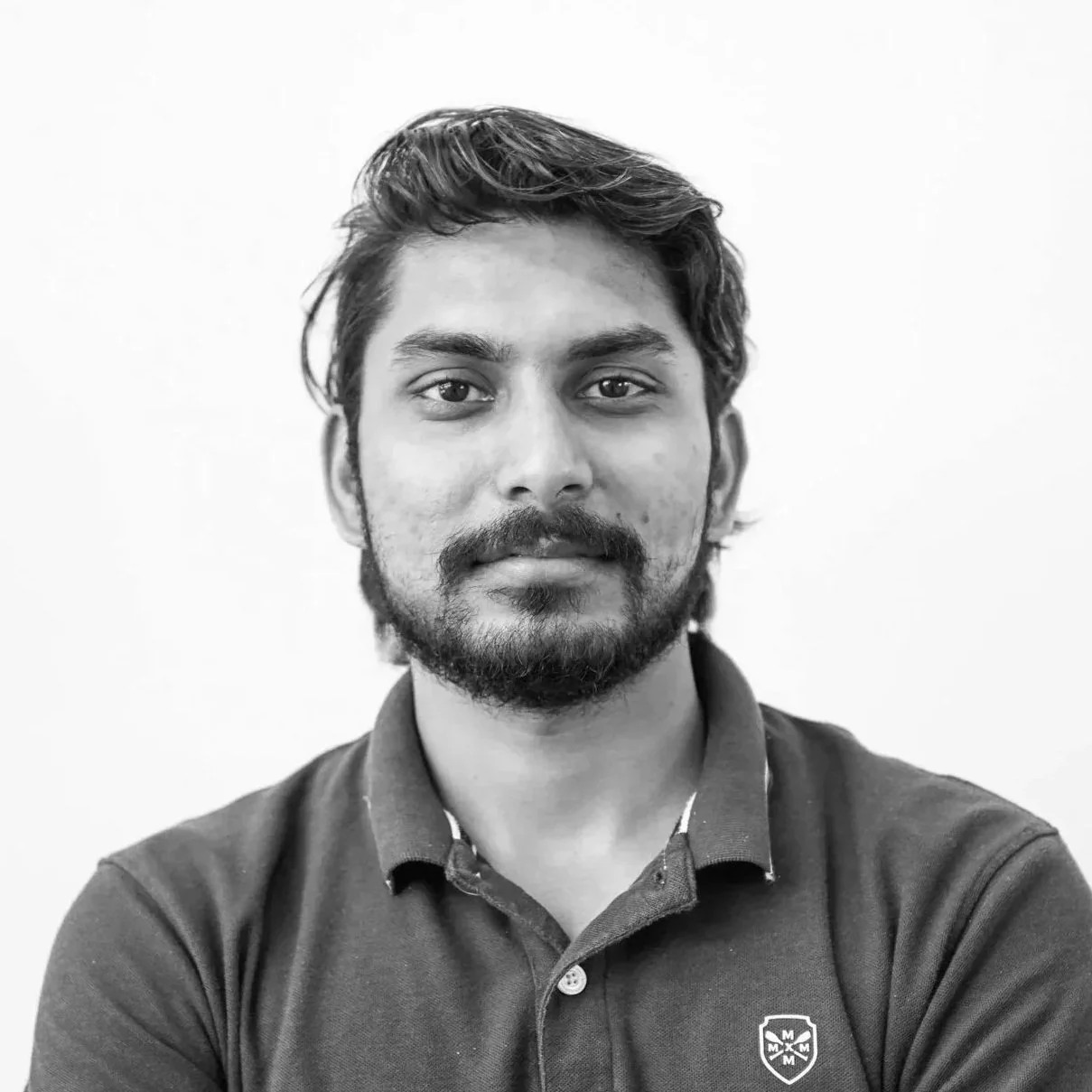
Shivam Pandey
University of Bergen
-
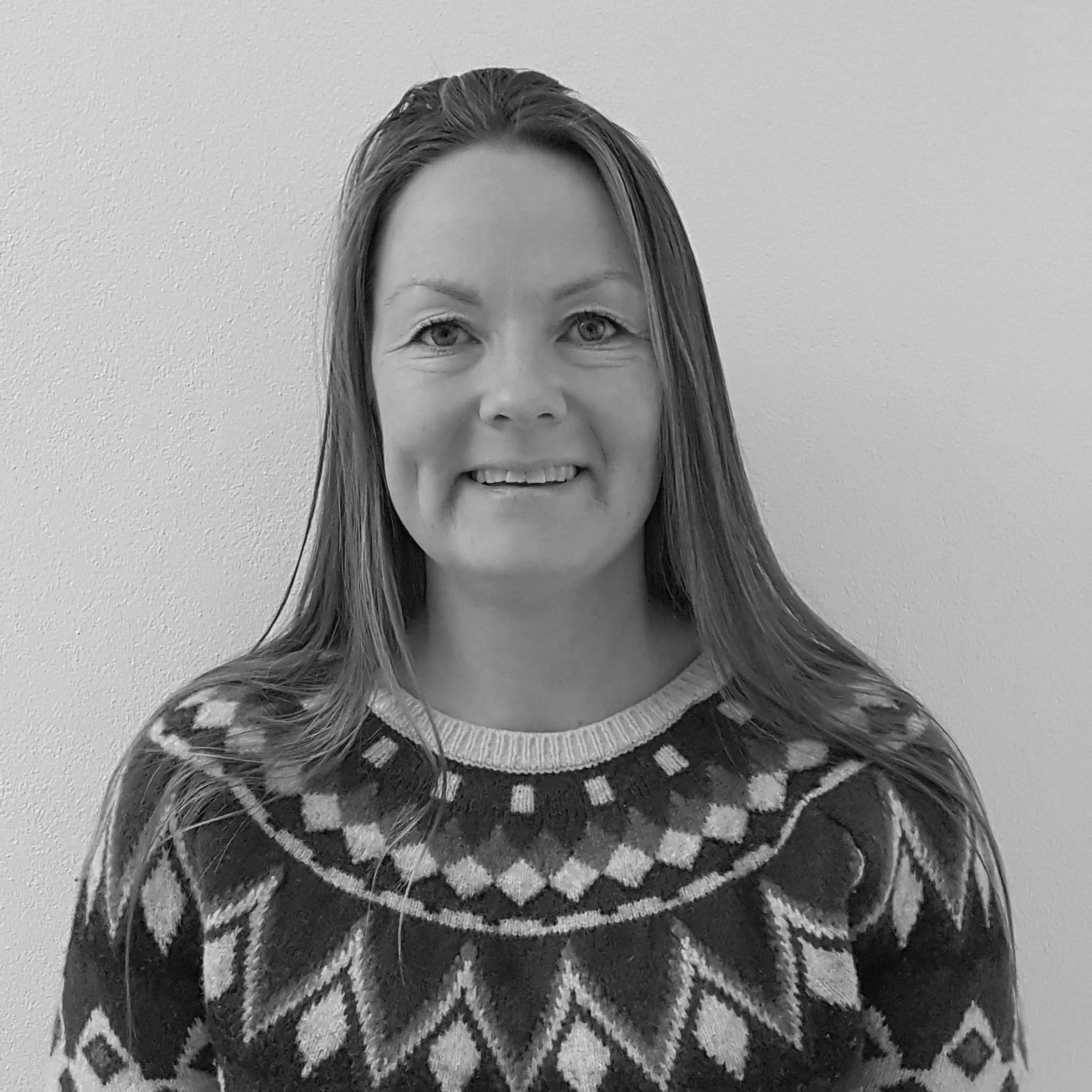
Siv Bårdsen
Nord University
-
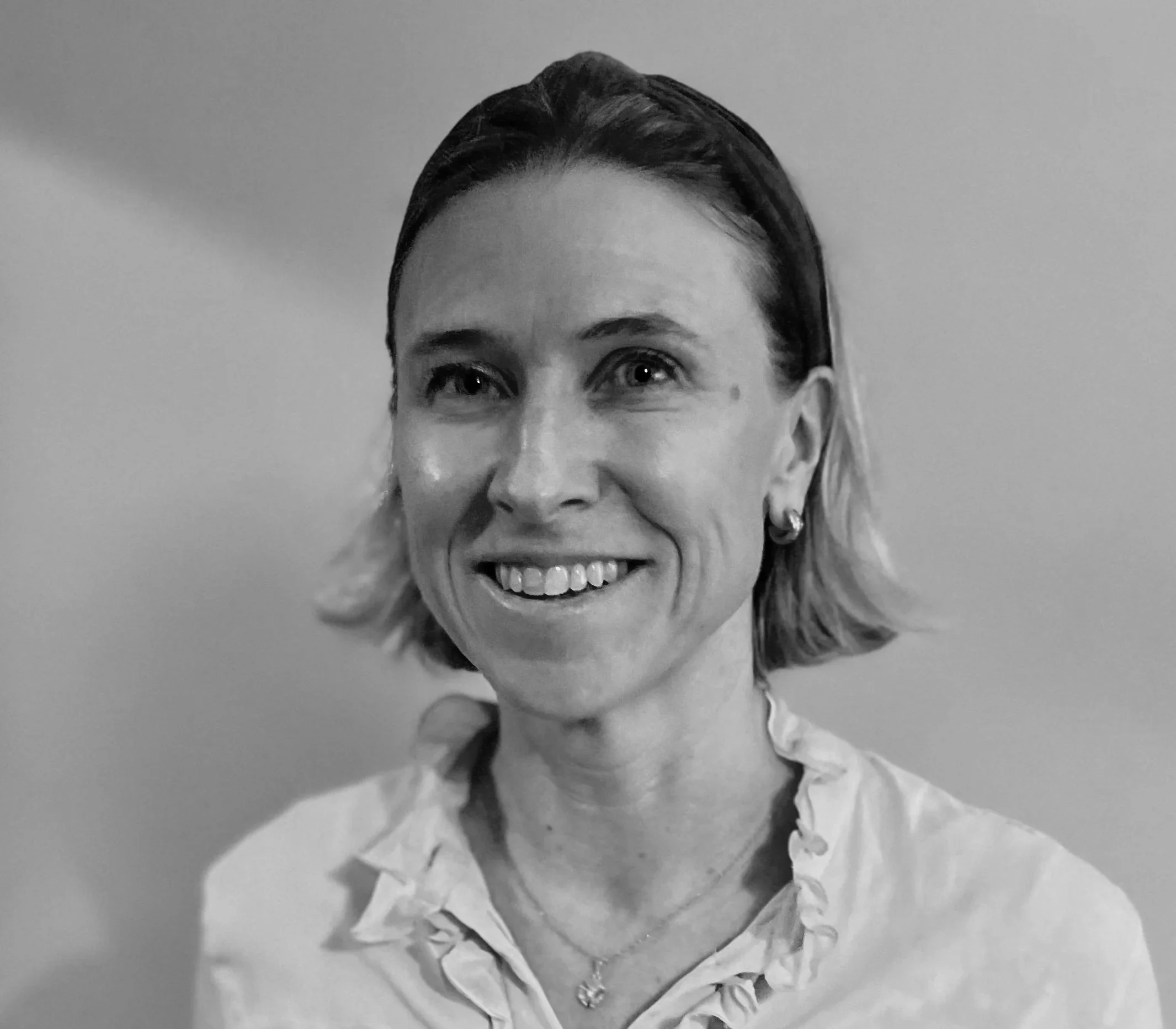
Solrun Dregelid
Oslo Metropolitan University - Nettavisen
-

Sue Schley
University of Agder
-

Synnøve Aursand Pedersen
University of Oslo
-
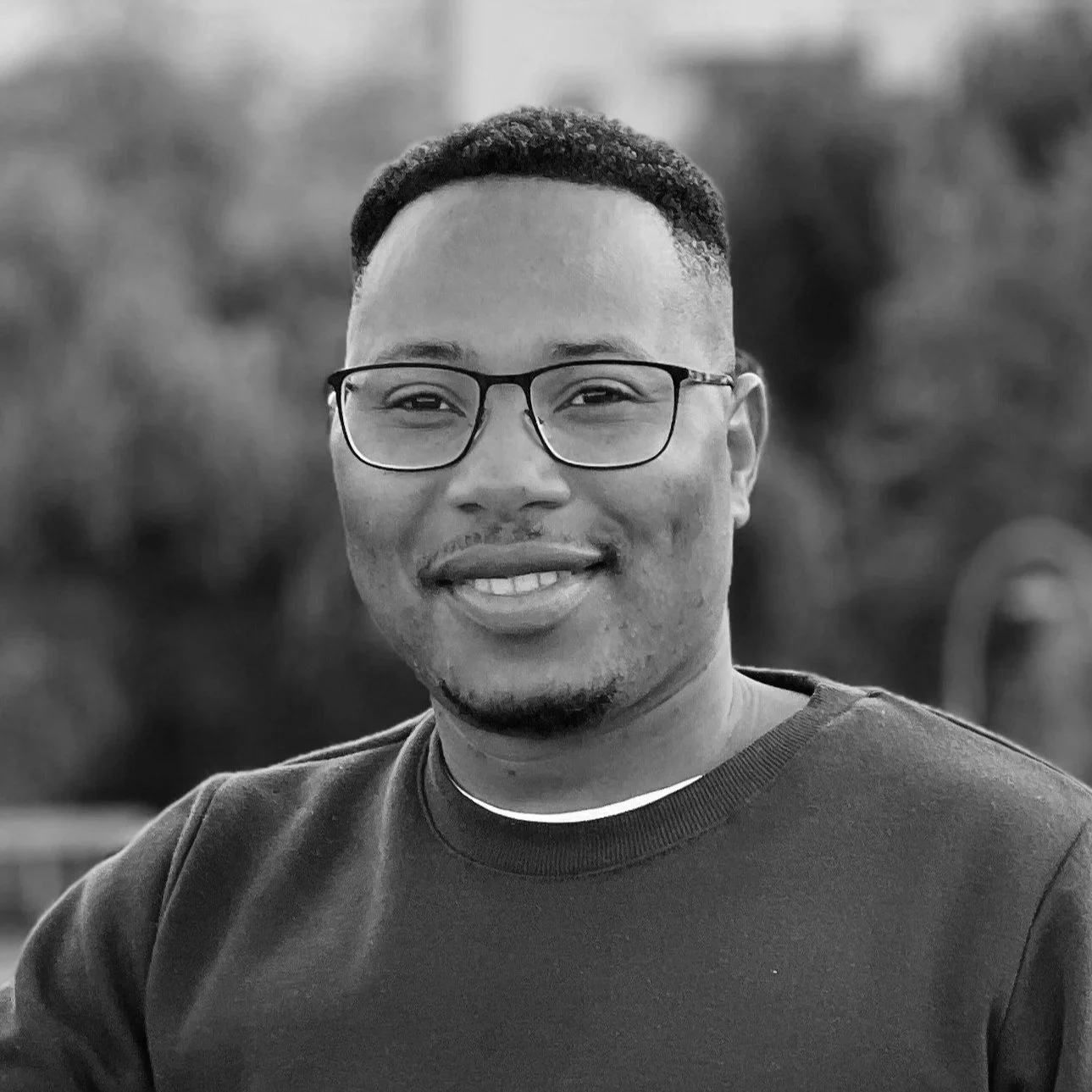
Tatenda Chikweya
Nord University
-

Tim Ulrich Schmeckel
University of Agder
-

Trine Tornfeldt Sorensen
Aalborg University, Faculty of Social Sciences and Humanities, Department of Society and Politics
-
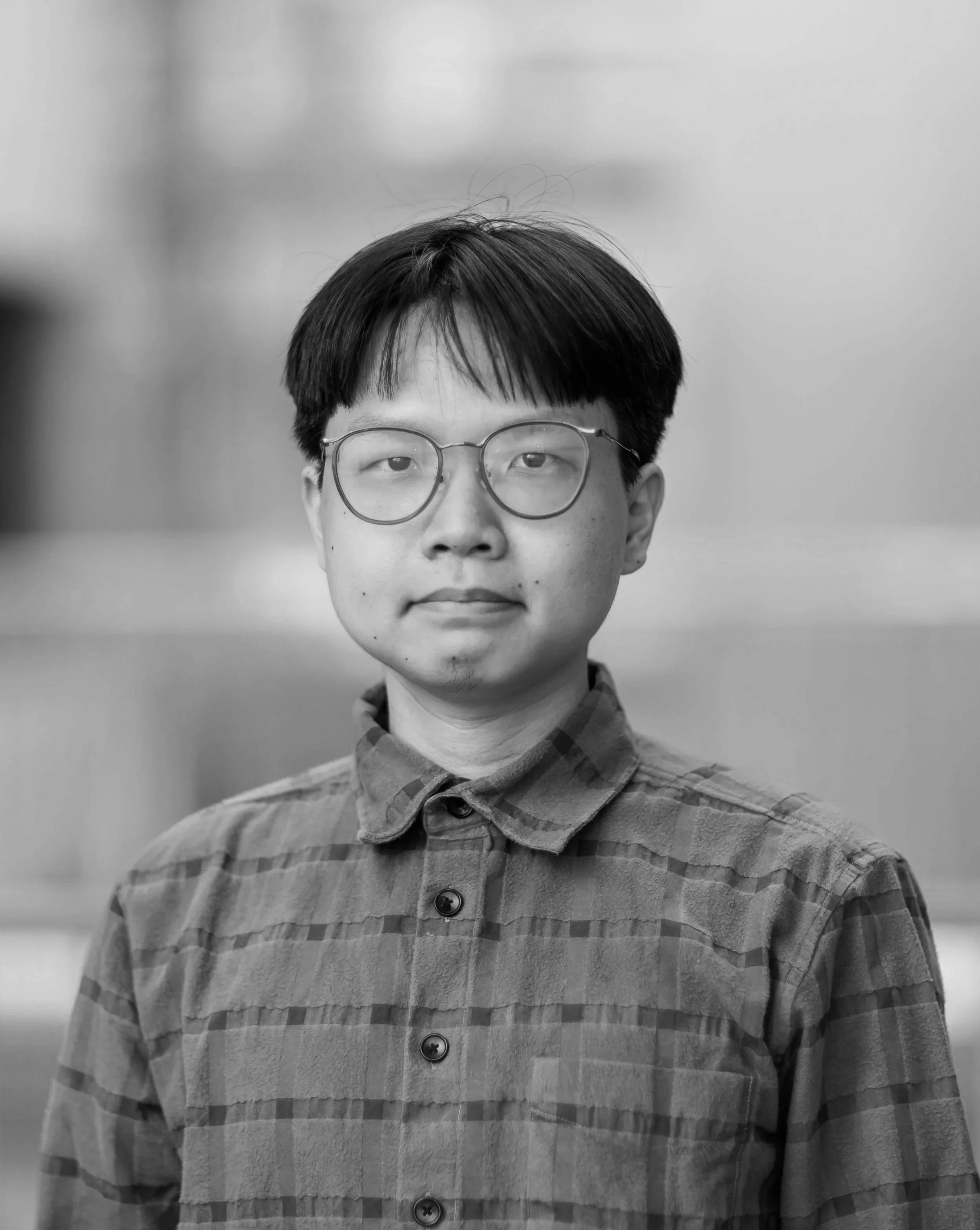
Xiaojiang Zheng
BI Norwegian Business School
-

Xiaomu Li
Norwegian University of Science and Technology
-
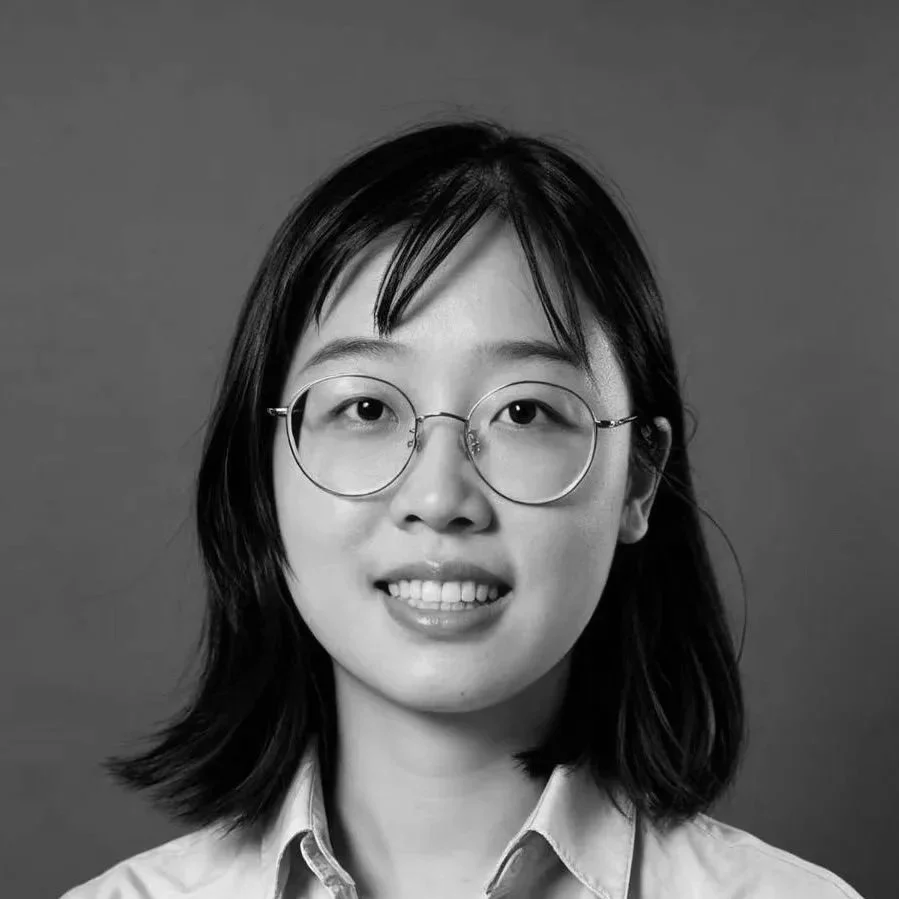
Ying Luo
Norwegian University of Science and Technology

As a DIGIT member, you will have the opportunity to attend seminars and lectures at the intersection of digitalization, culture, and society. The two-year program offers writing courses, internship opportunities, professional activities, and networking both within and outside the university environment, nationally and internationally. Most members have an academic background in the social sciences or humanities, but DIGIT also welcomes applicants from other research fields. However, it would be advantageous to explain how the membership and the project are relevant to the School's thematic basis. It is also advantageous to apply for membership at an early stage.