

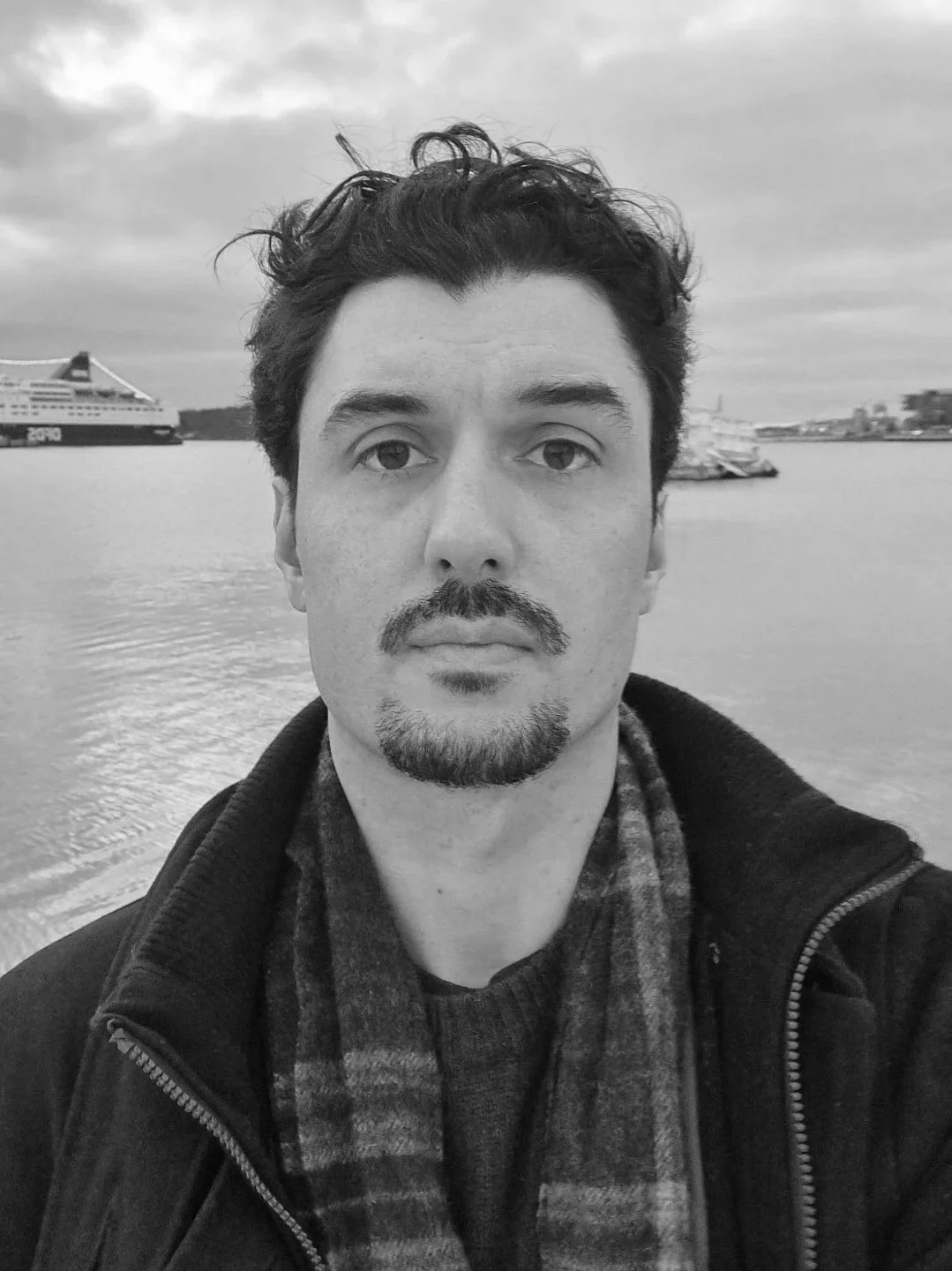
Dillon Ozuna
PhD fellow at Nord University
Social anthropologist with a background in development studies, settler colonial studies, political anthropology, environmental anthropology and extractivism. Currently studying algorithmic inequalities and platform censorship with Gaza as a case study.
Tell us about your project!
Artificial intelligence (AI) is increasingly being deployed as a key mediator of political perceptions, influencing public discourse, Palestinian visibility, and the dissemination of on-the-ground evidence surrounding atrocities in Gaza. Repressive techniques of information control are now being automated across social media platforms such as Instagram, extending Israel’s global information warfare and blurring the line between state and private actors. My project investigates how algorithmic infrastructures actively participate in a form of digital apartheid: a sociotechnical system that reorganises who is seen, heard, suppressed, or is rendered invisible from public discourse, whereby Big Tech corporations such as Meta largely align with the state interests of the US and Israel. Through digital political anthropology, my project examines how activists in the Palestine movement in Norway experience algorithmic violence and censorship—and how visibility is contested and navigated across hybrid digital and physical activist spaces.
“ Through digital political anthropology, my project examines how activists in the Palestine movement in Norway experience algorithmic violence and censorship—and how visibility is contested and navigated across hybrid digital and physical activist spaces”
— Dillon Ozuna on his PhD project “DIGITAL (AI)PARTHEID: Postcolonial perspectives on algorithmic violence and visibility surrounding the Palestinian diaspora in Norway”