
DIGIT at DigDir’s annual conference on Digitalization
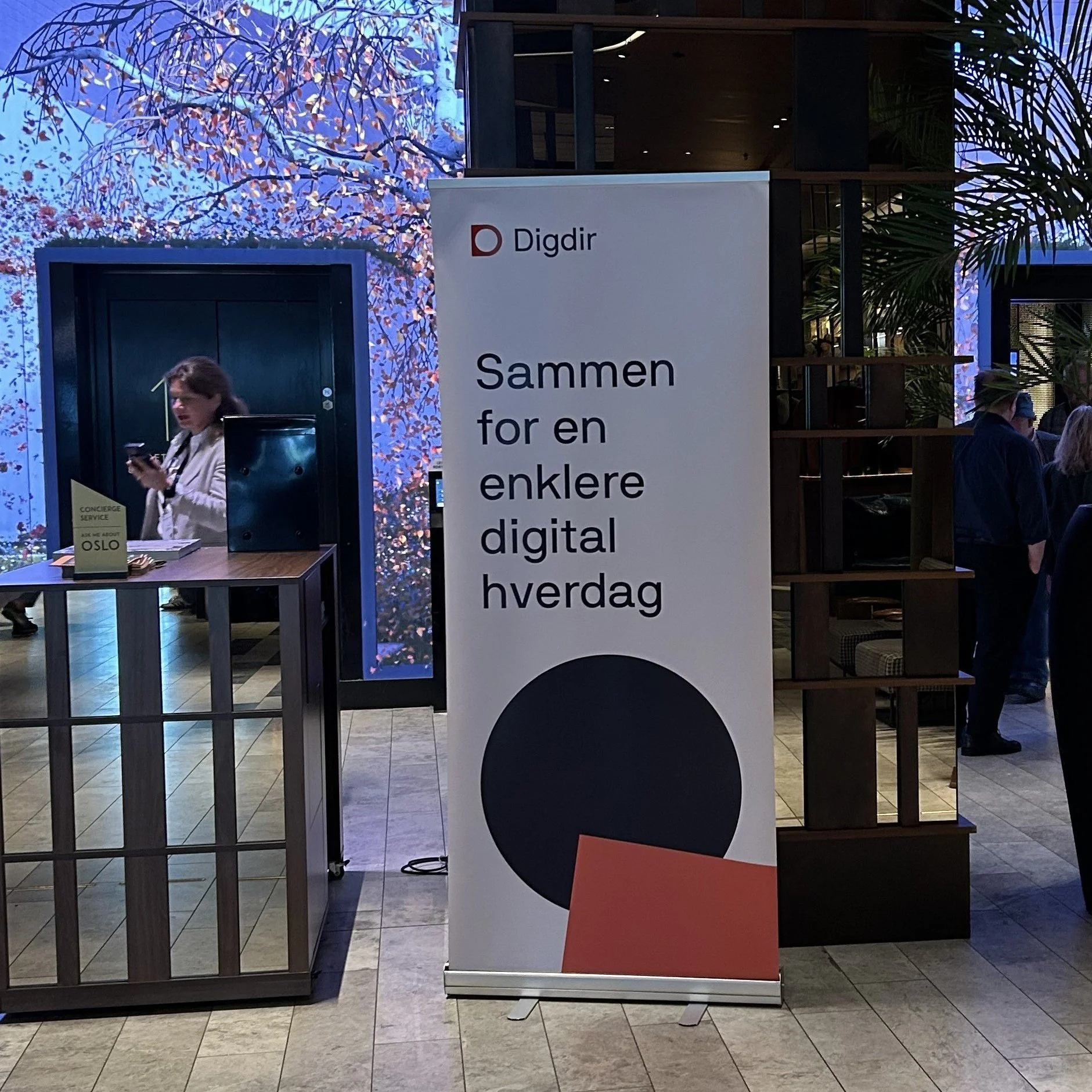
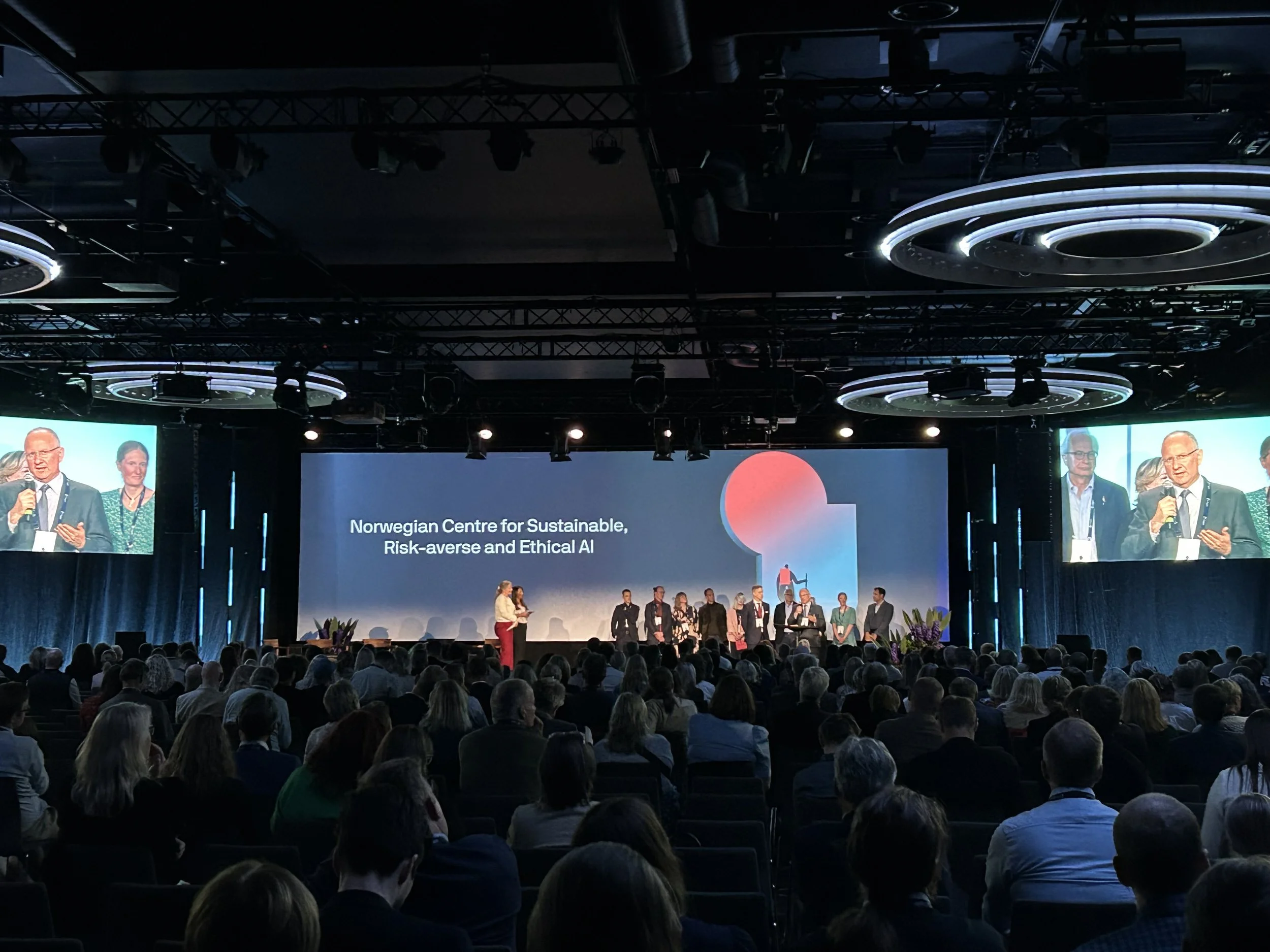

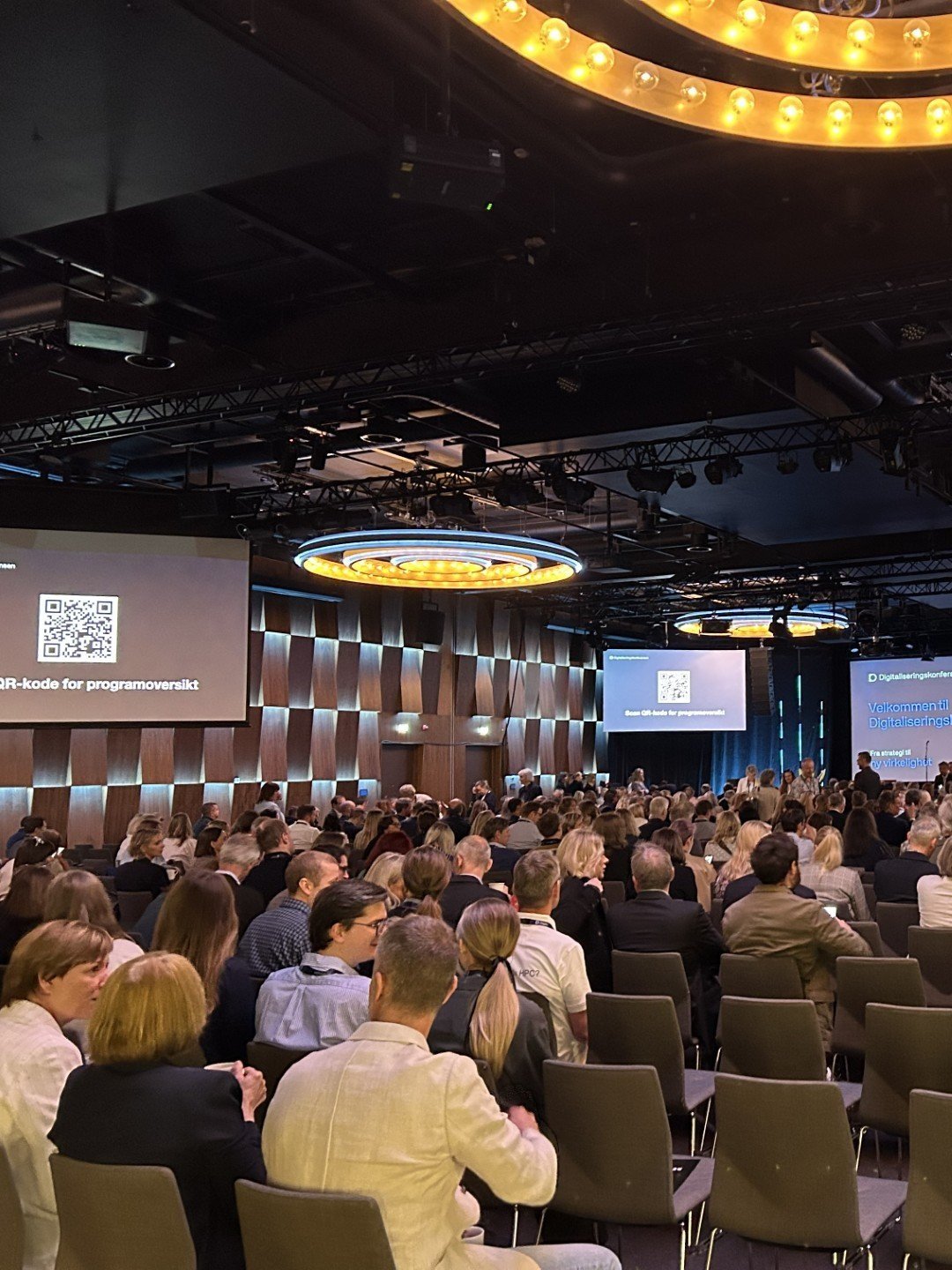
This year’s “Digitaliseringskonferansen” took place under the theme “from strategy to a new reality”. And the strategy is ambitious: as digitalization minister Karianne Tung highlighted in her opening speech, Norway aims not only to become the world’s most digitalized country but also the best. But many speakers pointed out that things are going too slowly. Among the challenges debated on stage were a lack of collaboration and coordination, and an inability to systematically reap benefits from digitalization efforts.
The conference brought together a variety of actors from both the public and private sector, as well as academia and interest organizations, to discuss these issues. At the same time, many of these issues are not new. Launching a report on seamless services, the Auditor General of Norway emphasized that coordination challenges have been a recurring theme over the years. Invoking the “new reality” of demographic and geopolitical challenges, central figures like Karianne Tung and Frode Danielsen, director of the Norwegian Digitalization Agency, thus renewed a sense of urgency among decison-makers in the audience.
So for us as DIGIT participants, the “Digitaliseringskonferansen” was an invaluable opportunity to see how digitalization is talked about among decision-makers in positions of power, and how such talk mobilizes different actors.
You can read personal reflections from some of our participants below.

“Attending “Digitaliserings-konferansen” was a great opportunity to observe how public and private actors interact around digitalisation initiatives, and to draw parallels between these broader aspects and the healthcare context I study”
-Liv Vidas
Liv Vidas, PhD research fellow at the University of Oslo and DIGIT member. June 2025:
My research is about what digitalisation means for collaboration in healthcare, both how it is regulated and how it affects practice. Attending “Digitaliseringskonferansen” was a great opportunity to observe how public and private actors interact around digitalisation initiatives, and to draw parallels between these broader aspects and the healthcare context I study. A recurring theme in many of the sessions was how we could ensure collaboration in services that happen across organizational borders.
Several important reflections were shared from the stage. One that I particularly remember and liked was from Secretary General of the Ministry of Finance, Lars-Henrik Myrmel-Johansen. He presented some food for thought when he reminded us that digitalisation is not a goal, and that not all digitalisation necessarily leads to greater efficiency. This resonates well with what I sometimes see in my own research, where digital solutions sometimes introduce new forms of fragmentation and challenges, even as they aim to improve coordination.
The conference was inspirational, and I am left with some new perspectives. It reaffirmed the relevance of my research questions and the importance of focus on collaboration practices when implementing new digital solutions, especially in sectors as complex as healthcare.

“As a researcher in cybersecurity, I noted that there was no specific focus on security. Nevertheless, it was valuable to see how broader aspects of digitalisation – such as trust, collaboration, and the need for governance – were highlighted”
-Mazaher Kianpour
Mazaher Kianpour, Postdoctoral Researcher at the Norwegian University of Science and Technology. June 2025.
The Digitalisation Conference 2025 was an interesting and professionally executed event. It provided a solid overview of key initiatives in the public sector – from coordination and governance to the development of artificial intelligence and national roadmaps.
As a researcher in cybersecurity, I noted that there was no specific focus on security. Nevertheless, it was valuable to see how broader aspects of digitalisation – such as trust, collaboration, and the need for governance – were highlighted. I look forward to cybersecurity becoming a more integrated part of these discussions in the future, especially in light of increasing digital complexity.