

Welcome to the Norwegian Research School on
Digitalization,
Culture and Society
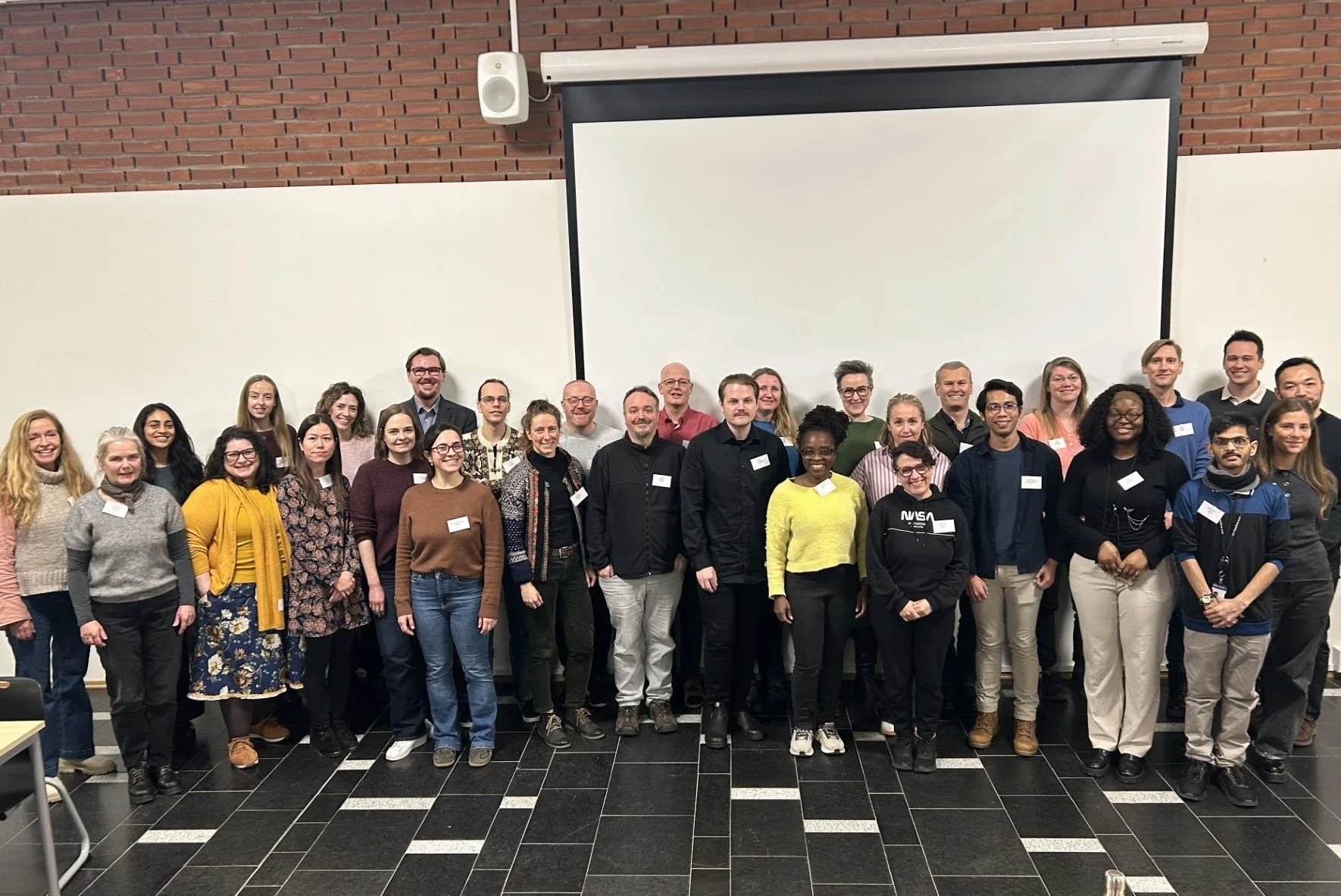
DIGIT is a research school funded by the Research Council of Norway, coordinated at the Oslo Metropolitan University. The school provides PhD students and postdoctoral fellows registered at Norwegian universities a two-year programme consisting of joint seminars, academic courses, workshops, internship and networking opportunities. The school is a collaboration between seven Norwegian universities, one research institute and six partners from public and private sector.
DIGIT events

What’s new at DIGIT

PhD-level courses organized by our partner universities
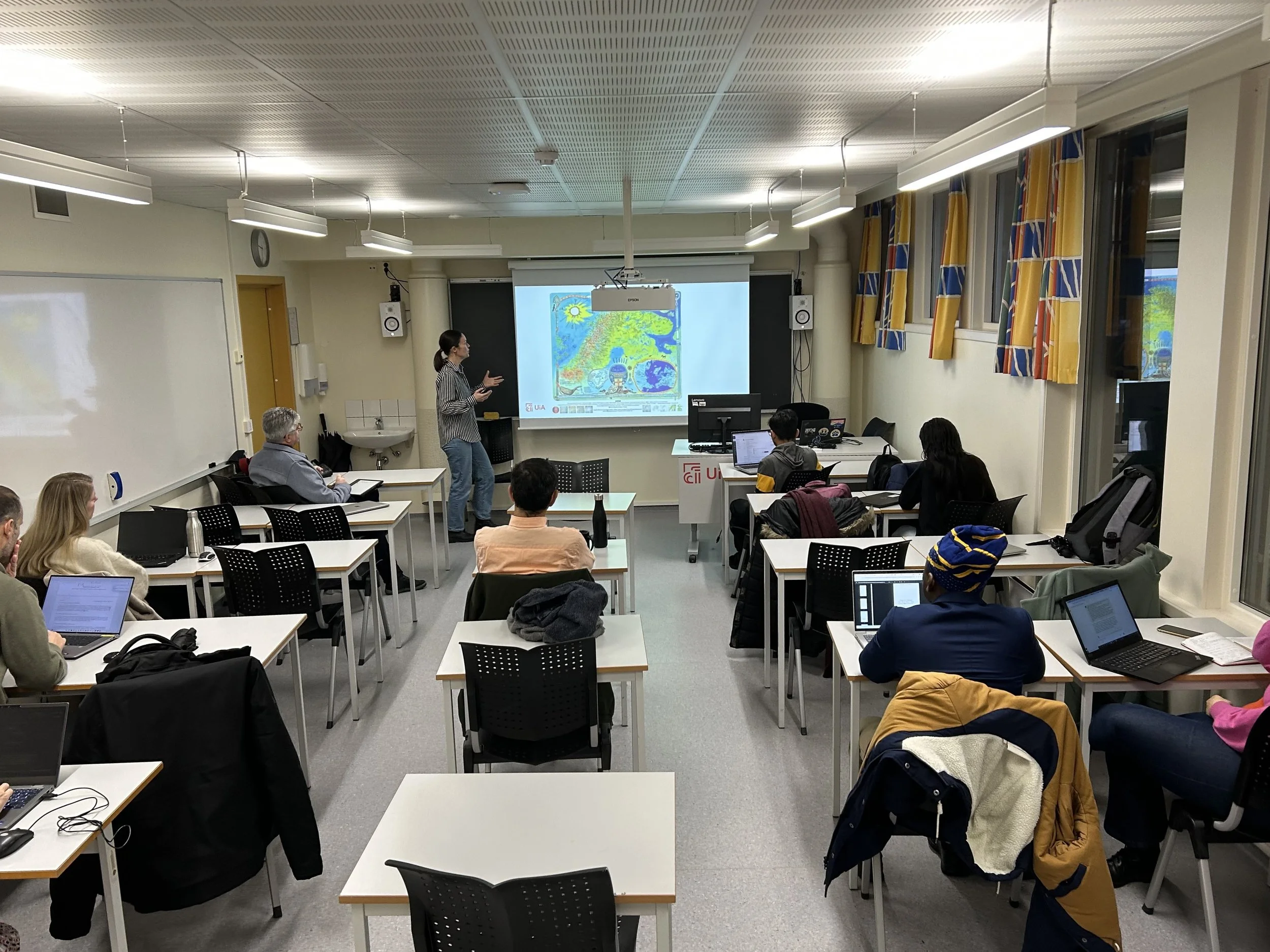
We offer DIGIT members financial support to attend relevant courses organized by our partner universities. The available courses include (but are not limited to):
SP9100 - Kvalitativ metode OsloMet Spring
HFIMK9002 - Photofake UiO Spring
PHDMOD500 – Data Modelling USN Spring
TIK9015 – Practice-Oriented Document Analysis UiO Autumn
MET900 - Qualitative digital methods for social scientists UiB Autumn
SOS8533 - Modern Media and Digitalization NTNU Autumn
New knowledge on digitalisation,
culture and society
The research school aims to provide theoretical frameworks on the role of technology in society such as science and technology studies (STS), posthumanism, philosophies of science, and frameworks on the politics of technologies. The Research School will build capacity on new digital methodologies, such as digital ethnography, visual ethnography, digital narratives, and big data analysis.
“The objective is to produce critical and theory-sensitive knowledge on the relationship between digitalization and societal changes.”
- Marit Haldar, Professor and director of The Research Centre for Digitalization of Public Services and Citizenship (CEDIC) at OsloMet.
Meet the participants 2022-2024
-
![]()
Alban Davesne
Postdoc fellow
OsloMet
-
![]()
Alejandro Miranda Nieto
Postdoc fellow
OsloMet
-
![]()
Alhassan Yakubu Alhassan
Ph. D. candidate
UiA
-
![]()
Beatrice Johannessen
Ph. D. candidate
UiO
-
![]()
Belma Sehic
Ph. D. candidate
OsloMet
-
![]()
Clara Julia Reich
Ph. D. candidate
OsloMet
-
![Clemet Askheim]()
Clemet Askheim
Ph. D. candidate
OsloMet
-
![]()
Erlend Nordrum
Ph. D. candidate
UiO/Hiof
-
![]()
Fredrik Moi Dolve
Ph. D. candidate
OsloMet/Hiof
-
![]()
Hayley Ko
Ph. D. candidate
OsloMet
-
![]()
Helene Maria Fiane Teigen
Ph. D. candidate
OsloMet
-
![]()
Jan Christoffer Andresen
Ph. D. candidate
UiO
-
![]()
Lars E. F. Johannessen
Postdoc fellow
OsloMet
-
![]()
Lukas Mozdeika
Ph. D. candidate
OsloMet
-
![]()
Lynn Dittrich
Ph. D. candidate
USN
-
![]()
Maja Nordtug
Postdoc fellow
OsloMet
-
![]()
Marie Jareid
Ph. D. candidate
UiO/Hiof
-
![]()
Martine Stecher Nielsen
Ph. D. candidate
NTNU
-
![]()
Mirjam Twigt
Postdoc fellow
UiO
-
![]()
Pragyan Thapa
Ph. D. candidate
UiA
-
![]()
Sehrish Akhtar
Ph. D. candidate
OsloMet
-
![]()
Ståle Bjørlykke Grut
Ph. D. candidate
UiO
-
![]()
Thea Næs Rabe
Ph. D. candidate
Nord
















Training & Research
DIGITs two-year program consists of joint seminars, academic courses, writing workshops, communication and management training, and network- and secondment opportunities. The academic training is organized in four thematic clusters: Digitalization and working life, Digitalization, security and privacy, Digitalization, service provision and public administration, and Digitalization, governance and democracy.

Digitalization and working life
How do digitalization and technological developments change job demand, job quality and working life?

Digitalization, security and privacy
How do machine learning and associative tools change social and political processes and interact with predictive politics and risk assessment tools?

Digitalization, service provision and public administration
How does digitization promote both new types of services and new types of service users?

Digitalization, governance and democracy
How does the digitization of the public sphere transform the production and dissemination of information?
Facilitating dialogue and collaboration
DIGIT consists of seven Norwegian universities, one research institute and six partners outside the research sector. The academic partners have developed high-level expertise in their individual fields of research areas. The stakeholders will help identify research questions and knowledge gaps, discuss explanations and interpretations, and develop new courses and ways of innovating. The Research School is hosted by The Research Centre for Digitalization of Public Services and Citizenship (CEDIC) at OsloMet.
Our partners









Interested in joining the school?
The Norwegian Research School on Digitalization, Culture and Society (DIGIT) will accept up to 25 top-qualified PhD students and postdoctoral fellows each year until 2028. You can meet the class of 2022 here.
Applications for the class of 2023 is now open!
DIGIT offers joint seminars, academic courses, writing workshops, communication and management training, network- and secondment opportunities. The two-year-programme will be offered free of charge, but as a member you are expected to attend one of the joint activities every semester. You will receive a diploma after finishing the school.