
Activities
Meet us at inspirational events focused on digitalization, culture and society, presented by expert researchers and professionals from outside the research sector. This page provides an overview of the academic activities available to DIGIT-participants.

DIGIT course on Rights and Freedoms in Digital Design
- University of Bergen (map)
- Google Calendar ICS
Welcome to the DIGIT "Rights and Freedoms in Digital Design" course, running from May 30-31 2023 at the University of Bergen.

Welcome to the first DIGIT-course on Digitalization, Culture and Society! Members and partners meet for lectures, group discussions and presentations.
We present the school, partners and new Digit-members during a weekly joint kick-off-course. Lectures, presentations and roundtable discussions with leading experts and stakeholders from outside the research sector.

CEDIC Talks: How to facilitate the digital transformation in public sector? Guest lecture with Markus Michaelsen Bugge
- Digit (map)
- Google Calendar ICS
The researcher from the TIK centre at UiO will highlight challenges in digitalization and innovation in public sector - with a specific focus on the waste management sector.

CEDIC Talks: Sustainable labour market integration
- Digit (map)
- Google Calendar ICS
We invite you to join the lecture by professor Janine Leschke from Copenhagen Business School on potentials and challenges in algorithmic profiling of jobseekers. More information and register here (OsloMet.no).

CEDIC Talks: Digital welfare states or systems of digital inequality?
- Digit (map)
- Google Calendar ICS
We invite you to join the lecture by social policy professor Minna van Gerven from Tampere University on inequality and marginalization in digital welfare states. Digitalization, artificial intelligence, and new technologies have become central in how European welfare states evolve and the way they are governed. These technologies can open new horizons to meet existing social risks and make the administration faster and more cost-efficient. Yet, technological change can strengthen old divides and stir conflicts: technologies may extend the divides between different groups in society and give a rise to new societal problems by marginalizing groups of people.
CEDIC Talks aim to broaden our knowledge and awareness about ongoing research in Europe about digitalization processes and their social consequences. In this lecture, the social policy professor Minna van Gerven from Tampere University will discuss technological change as a modernization process of welfare states that may foster inequalities. She will draw attention to the politics and policies of digital welfare states in Finland and to the way the digitalization of welfare systems may uphold both visible and invisible inequalities.
Who is Minna van Gerven?
Minna van Gerven is professor in social policy at Tampere University. She has held various positions at various European universities, including University of Helsinki, University of Twente, University of Amsterdam. Her research focuses on comparative social policy and welfare states, digitalization, and social security. Her work has recently been published in various international journals and publishing houses.
How do I join?
The 30-45 minutes lecture will be held in English and followed by a Q&A. After registering through the register form (nettskjema.no), we will send you a link to join the online lecture some hours before it starts.

Relevant course from our partners at the University of Bergen
PhD-level course on «Qualitative digital methods for social scientists» at the University of Bergen
MET900 is a PhD-level course offered by the University of Bergen (UiB).
The course addresses how qualitative digital methods can inform research in the social sciences, including media and communications, anthropology, human geography, sociology, and political science. It will provide hands-on experience of using Qualitative digital methods, guidance on designing research using these methods, and an introduction to the interdisciplinary literature on the digital transformation of society. The course will also include a guidance and reflection on ethics in digital methodologies and strategies for preparing an application for the Norwegian Centre for Research Data for ethical approval of digital data.

CEDIC Talks
CEDIC Talks: 25th of May 2022 – presentation of the Research school (open for public)
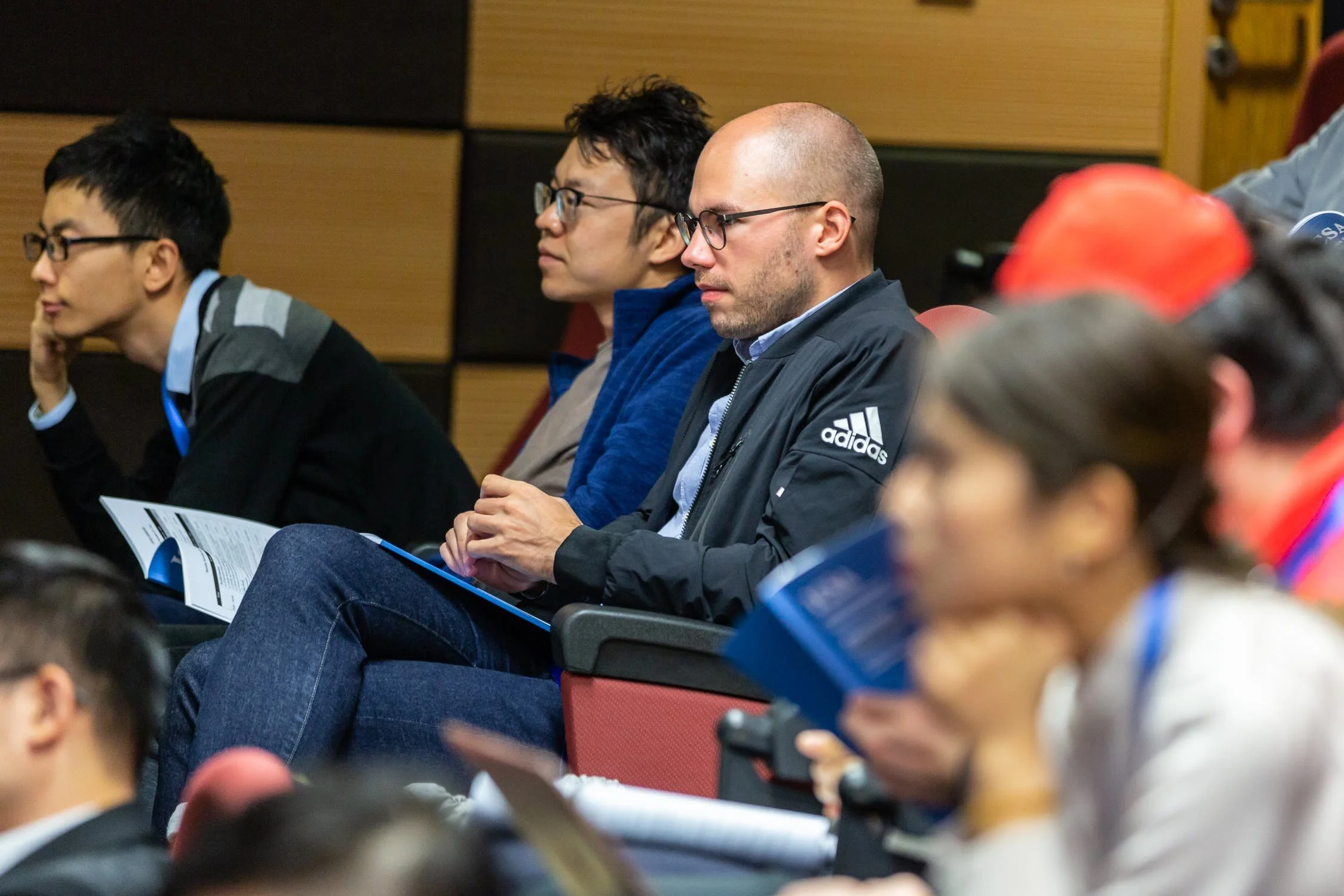
DIGIT Talks: How do we define “digitalization”?
DIGIT Talks: How do we define “digitalization”? 1st of September 2022: (open access)








2026

This course provides an in-depth and hands-on introduction to Action Research (AR), Collaborative Action Research (CAR), and Participatory Action Research (PAR). What these research methodologies have in common is that they prioritize active collaboration with research participants, ensuring that research is co-designed, co-executed, and co-analyzed to address real-world problems.
The course, designed for PhD students and post-docs, discusses the interplay of digital technologies, technosocial imaginaries, and collective identities, and the ensuing shaping of cultural identities as part of historical processes.

Over the recent decades, the rapid process of digitalization transformed the ways in which we communicate, but also the ways in which we perceive ourselves and others. An important part of this perception is related to how we relate to pasts and futures (both our own pasts and futures and those of others) to develop and/or maintain our cultural identities, which in their core are historical, i.e. history made.
The course, designed for PhD students and post-docs, discusses the interplay of digital technologies, technosocial imaginaries, and collective identities, and the ensuing shaping of cultural identities as part of historical processes.

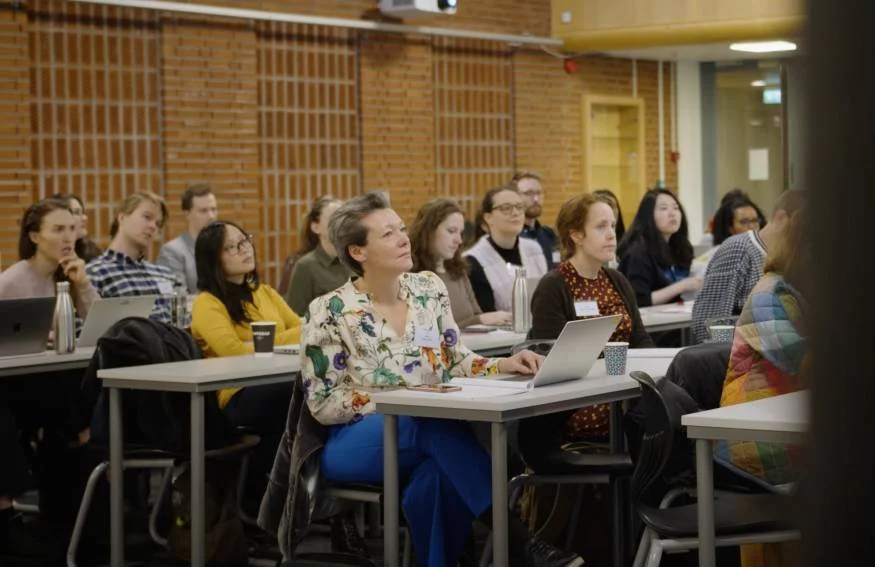
Welcome to the DIGIT-kick off course for class of 2025! Members and partners meet for lectures, group discussions and presentations.





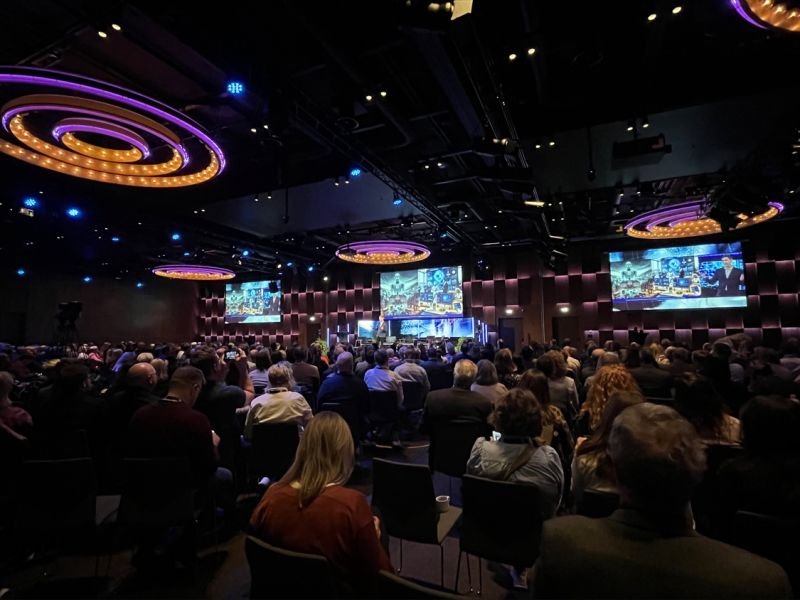


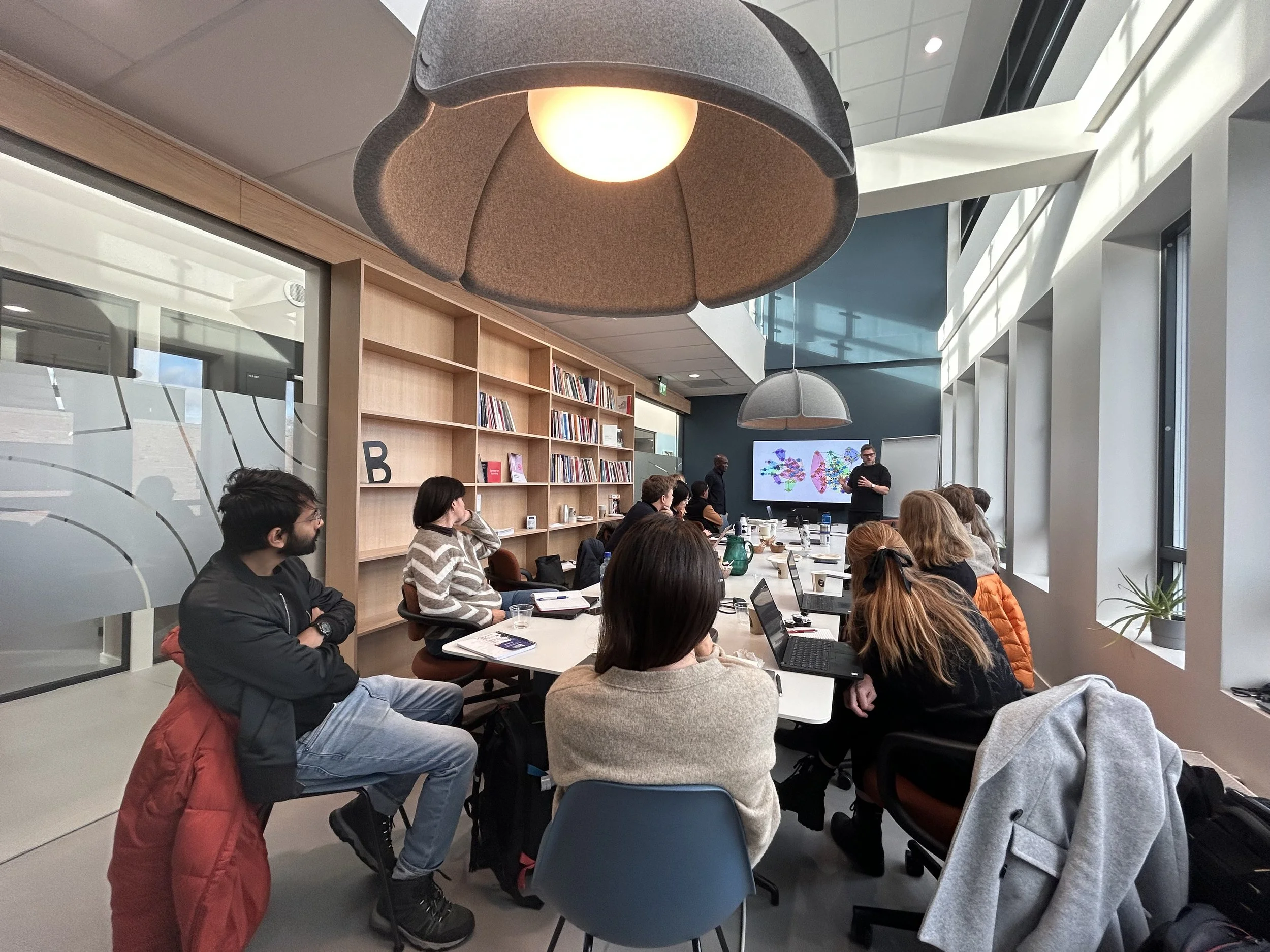
DIGIT course: Advanced Methods in social science research on digitalization” at the University of Agder.

2025



Welcome to the DIGIT-kick off course for class of 2024! Members and partners meet for lectures, group discussions and presentations.





2024
Welcome to the DIGIT-kick off course for class of 2023! Members and partners meet for lectures, group discussions and presentations.

DIGIT course: Advanced Methods in social science research on digitalization” at the University of Agder.

Welcome to the DIGIT "Rights and Freedoms in Digital Design" course, running from May 30-31 2023 at the University of Bergen.

Join the online guest lecture with Dr. Peter Blanck from Syracuse University on disability law and policy in the US.

Join the online guest lecture with Professor Jacqueline O’Reilly from the University of Sussex Business School.


2023
Welcome to the DIGIT "Rights and Freedoms in Digital Design" course, running from May 30-31 2023 at the University of Bergen.
We present the school, partners and new Digit-members during a weekly joint kick-off-course. Lectures, presentations and roundtable discussions with leading experts and stakeholders from outside the research sector.
The researcher from the TIK centre at UiO will highlight challenges in digitalization and innovation in public sector - with a specific focus on the waste management sector.
2022
Meet the Participants
The first class of young experts was enrolled in the autumn of 2022. The first semesters start with a joint kick-off seminar, concentrating on key perspectives within DIGIT’s thematic clusters. Both researchers and stakeholders from outside the research sector will be invited to present the latest developments, and every participant will meet in roundtable discussions and present their ongoing research projects.
PhD-level course on «Qualitative digital methods for social scientists» at the University of Bergen
MET900 is a PhD-level course offered by the University of Bergen (UiB).
The course addresses how qualitative digital methods can inform research in the social sciences, including media and communications, anthropology, human geography, sociology, and political science. It will provide hands-on experience of using Qualitative digital methods, guidance on designing research using these methods, and an introduction to the interdisciplinary literature on the digital transformation of society. The course will also include a guidance and reflection on ethics in digital methodologies and strategies for preparing an application for the Norwegian Centre for Research Data for ethical approval of digital data.